What does ancho mean?
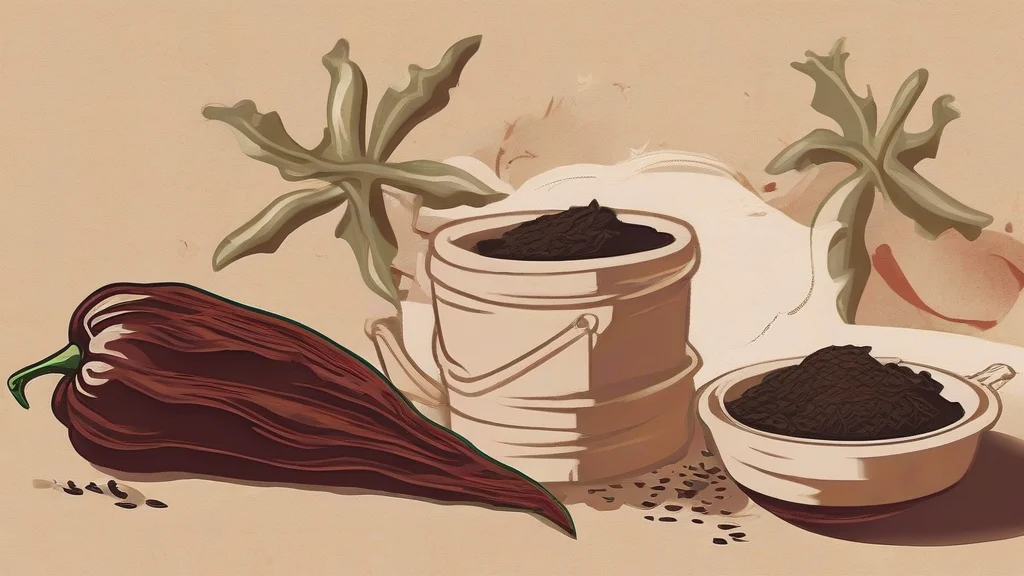
An ancho is a dried poblano chilli pepper, one of the most widely used dried chillies in Mexican cooking. When fresh, the poblano is a dark green, mildly hot pepper; once dried it becomes the ancho, taking on a wrinkled, brick-red to near-black appearance and a flavour profile often described as sweet, fruity, and raisin-like with gentle warmth. Anchos are typically toasted and then soaked or simmered before being blended into sauces such as moles, adobos, and enchilada sauces, where they lend depth and body rather than fiery heat. The word comes from Spanish 'ancho', meaning 'wide' or 'broad', a reference to the pepper's broad, flat shape. For cooks exploring Mexican cuisine, the ancho is an essential store-cupboard ingredient, valued for the mellow richness it brings compared with hotter dried chillies like the chipotle or guajillo's spicier relatives.
nounA dried poblano chilli pepper, dark reddish-brown and mildly sweet, widely used in Mexican cooking for sauces and moles.
- A poblano chilli pepper that has been dried, used in Mexican cuisine for its mild heat and rich, fruity-sweet flavour.
"The mole's deep flavour comes from toasted anchos blended with chocolate and spices."
"Toast the anchos briefly in a dry pan before soaking them for the sauce."
"She stirred rehydrated ancho into the braising liquid to give the pork a subtle smoky sweetness."
Standard English plural; the word also functions as an uncountable mass noun when referring to the ingredient generally.
"Buy a bag of dried anchos from the Mexican grocer."
Every ancho started life as a poblano — drying transforms the same pepper into something sweeter, smokier, and almost unrecognisable.
Reviewed by Deb Chak, Editor. AI-assisted content curated by RJS Tech Solutions LLP.
Etymology of ancho
The word 'ancho' entered English from Spanish, where 'ancho' means 'wide' or 'broad', describing the pepper's broad, flat form. The Spanish term ultimately derives from Latin 'amplus', meaning 'large' or 'spacious', the same root behind English words such as 'ample', 'amplitude', and 'amplify'. The culinary term was borrowed into English in the context of Mexican cuisine, where dried poblanos have long been a staple ingredient.
How ancho is actually used
Almost always encountered in culinary contexts, particularly Mexican and Tex-Mex cooking. In American English it may be pronounced closer to the Spanish source; both /ˈɑːntʃoʊ/ and /ˈæntʃoʊ/ are heard.
Easily confused with ancho
The poblano is the fresh green pepper; the ancho is that same pepper after drying, when it turns dark red-brown and develops a sweeter, raisin-like flavour.