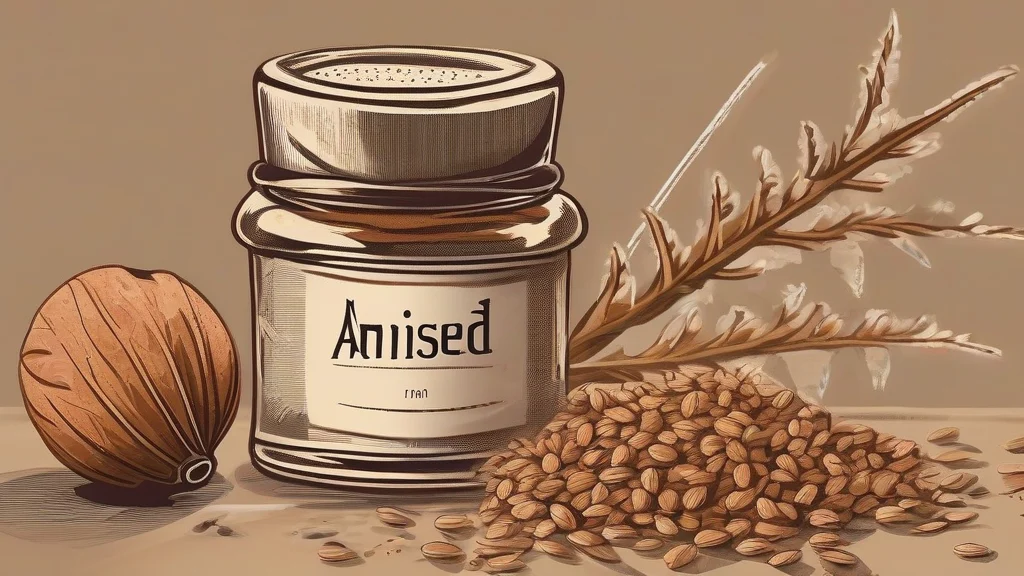
What does aniseed mean?
Aniseed is the small, ridged, seed-like fruit of the anise plant (Pimpinella anisum), a herb native to the eastern Mediterranean and southwest Asia. Prized for its warm, sweet, distinctly liquorice-like aroma, it has been used for thousands of years both as a spice and as a medicine, particularly for digestive complaints. In the kitchen, aniseed flavours breads, biscuits, cakes, and confectionery across many cuisines, while its essential oil lends character to spirits such as ouzo, pastis, raki, and sambuca. The term "aniseed" is especially common in British English, where Americans tend to say "anise" or "anise seed." Although often confused with star anise, which comes from an unrelated Chinese tree, the two share their signature taste thanks to the same aromatic compound, anethole. Aniseed remains a staple of spice cupboards worldwide.
nounThe small seed-like fruit of the anise plant (Pimpinella anisum), used as a spice and flavouring with a distinctive sweet liquorice taste.
- The aromatic seed of the anise plant, used whole or ground as a spice in baking, confectionery, and cooking.
- A flavouring derived from anise, used in liqueurs such as ouzo, pastis, and sambuca.
"She ground some aniseed to add to the biscotti dough."
"The baker dusted the loaves with crushed aniseed for a subtle sweetness."
"He detected a strong note of aniseed in the ouzo as soon as the glass was poured."
The plural is rare in practice, as aniseed is usually referred to collectively rather than counted seed by seed.
"The recipe calls for two tablespoons of aniseeds, lightly toasted."
Aniseed owes its unmistakable liquorice taste to anethole — the very same compound that gives star anise its flavour, despite the two plants being entirely unrelated.
Reviewed by Deb Chak, Editor. AI-assisted content curated by RJS Tech Solutions LLP.
Etymology of aniseed
The word "aniseed" combines "anise," the name of the plant, with "seed." "Anise" entered English via Old French from Latin anisum, itself borrowed from Greek ánison, reflecting the plant's long history of cultivation in the Mediterranean world. The compound form "aniseed" has been used in English since at least the medieval period, when the spice was widely traded and valued both culinarily and medicinally.
How aniseed is actually used
"Aniseed" is chiefly used in British English; American usage more often refers simply to "anise" or "anise seed." The term is neutral in register and appears most often in culinary contexts.
Easily confused with aniseed
Star anise is the star-shaped fruit of a completely different tree (Illicium verum) native to China, though it shares a similar liquorice flavour due to the same aromatic compound.
Fennel seed comes from a different plant and has a milder, sweeter flavour, though the two are sometimes substituted for one another in cooking.