What does anisette mean?
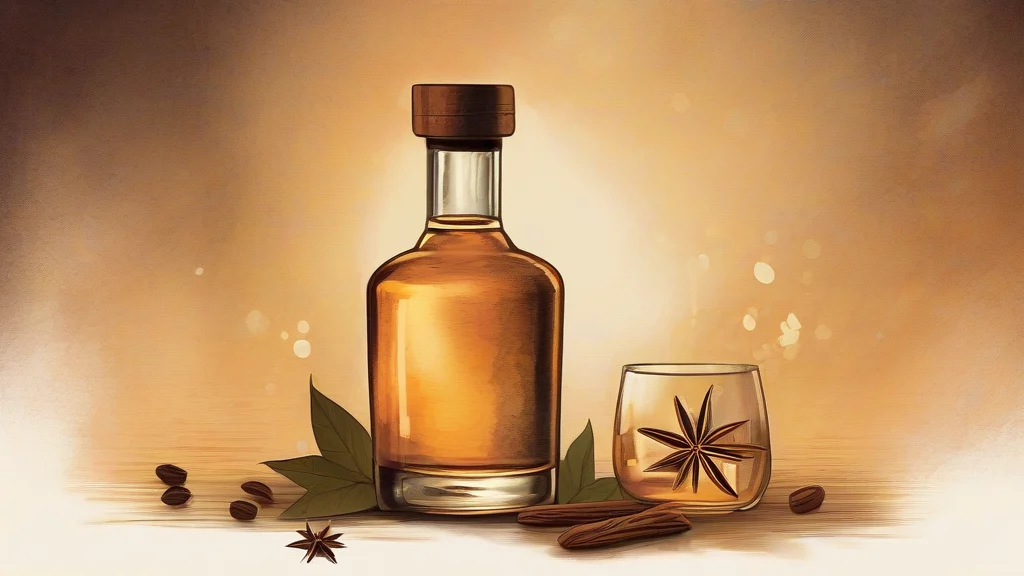
Anisette is a sweet, usually colourless liqueur flavoured with aniseed or star anise, giving it a distinctive taste reminiscent of liquorice. Originating in France and other Mediterranean countries, it is generally bottled at a lower strength than dry anise spirits such as pastis, ouzo, or sambuca, and its pronounced sweetness makes it a popular digestif, sipped neat in small glasses after a meal. It also appears behind the bar as a flavouring agent in cocktails and desserts, where even a small splash lends warmth and aromatic depth. Like other anise-flavoured drinks, anisette turns milky white when diluted with water, a reaction caused by the essential oil anethole. The word itself is French in origin, formed from 'anis', meaning anise, with the diminutive suffix '-ette'. For anyone exploring classic cocktails, Mediterranean drinking traditions, or the vocabulary of spirits, anisette is a useful term to know.
nounA sweet, colourless liqueur flavoured with aniseed or, less commonly, star anise.
- A sweet liqueur flavoured with aniseed or star anise.
"She stirred a splash of anisette into her coffee after dinner."
"The bartender added a measure of anisette to the cocktail for a hint of liquorice sweetness."
"Grandmother kept a bottle of anisette in the cupboard and sipped a small glass on cold evenings."
Rarely used; anisette is almost always treated as a mass noun referring to the liqueur in general.
"The cellar stocked several anisettes from different Mediterranean producers."
Anisette turns cloudy white when water is added — the same 'louche' effect that made absinthe infamous comes from the anise oil it shares.
Reviewed by Deb Chak, Editor. AI-assisted content curated by RJS Tech Solutions LLP.
Etymology of anisette
Anisette comes from French, where it was formed from 'anis' (anise) plus the diminutive suffix '-ette', suggesting a lighter or smaller version of an anise drink. The underlying word traces back through Latin 'anisum' to Greek 'anison', the name of the anise plant, which itself was likely borrowed from a Semitic source. English adopted the term in the nineteenth century as the liqueur became known internationally.
How anisette is actually used
Anisette is a mass noun with no plural in ordinary use. It is typically served as a digestif, used sparingly in cocktails and baking, and is much sweeter than dry anise spirits such as pastis or ouzo.
Easily confused with anisette
Anise is the herb (Pimpinella anisum) whose seeds provide the flavouring, while anisette is a sweet liqueur made with that flavouring.
Pastis is a drier, typically stronger French anise-flavoured spirit meant to be diluted with water, whereas anisette is a sweeter liqueur usually drunk neat or in small measures.