What does anise mean?
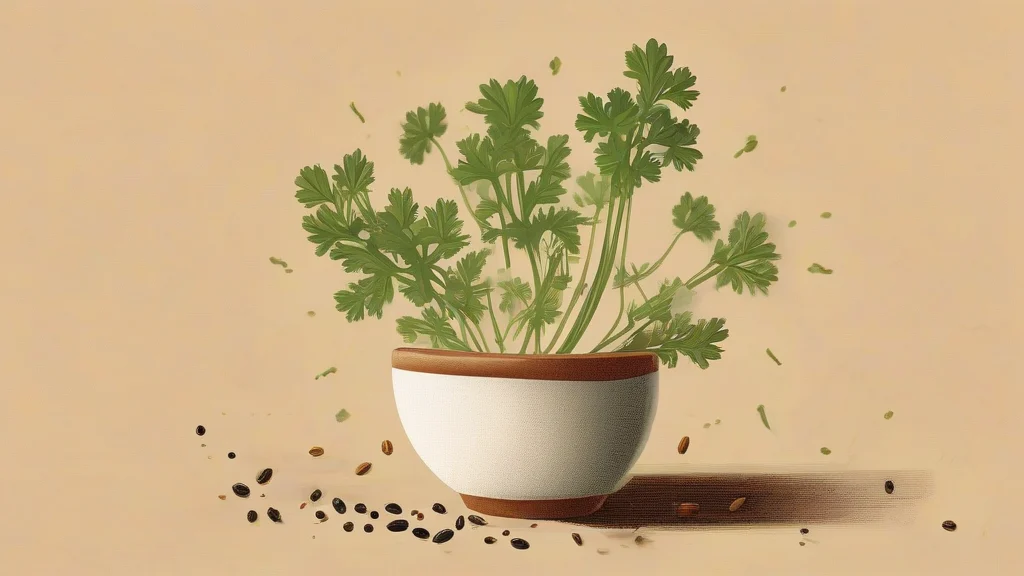
Anise is an annual Mediterranean herb in the parsley family, cultivated since antiquity for its small, aromatic seeds, which carry a distinctly sweet, licorice-like flavor. Both the plant and its seeds are called anise, making it one of those words that names a source and its product alike. In the kitchen, anise seeds season breads, cookies, sausages, and vegetable dishes, while its essential oil flavors celebrated spirits such as ouzo, absinthe, sambuca, and pastis — drinks famous for turning cloudy when water is added. The word entered English through Latin and Greek, reflecting the plant's long journey across Mediterranean trade routes. Though easily confused with fennel and with star anise, which share its characteristic taste but are botanically unrelated, true anise remains a staple of European baking and distilling. For cooks and cocktail enthusiasts alike, it is a foundational flavor worth knowing by name.
nounA Mediterranean plant of the parsley family whose aromatic seeds are used to flavor food, drink, and medicine; also the seed itself, which has a sweet licorice-like taste.
- The annual Mediterranean herb Pimpinella anisum of the parsley family, cultivated for its aromatic seeds.
- The small, sweetly licorice-flavored seeds of this plant, used as a spice and to flavor liqueurs such as ouzo, absinthe, and sambuca.
"The baker dusted the biscotti with crushed anise for a subtle licorice note."
"She steeped whole anise seeds in the poaching liquid to give the pears a warm, licorice sweetness."
"Greek ouzo owes its distinctive cloudy turn and flavor to anise."
Rarely pluralized; the seeds are usually referred to collectively as 'anise' or 'anise seed,' and the plant itself is seldom discussed in the plural.
"The market stall displayed bundles of fresh anises beside the fennel."
That unmistakable licorice kick in ouzo, absinthe, and sambuca? It comes from anise — a tiny seed so prized in ancient Rome that Pliny recommended it as a breath freshener.
Reviewed by Deb Chak, Editor. AI-assisted content curated by RJS Tech Solutions LLP.
Etymology of anise
Anise comes from Latin 'anisum,' itself borrowed from Greek 'anison,' a name the Greeks used for the fragrant herb they valued in medicine and cookery. The word arrived in English via Old French during the medieval period, and the fuller British form 'aniseed' simply attaches the familiar '-seed' suffix. Its relatives include 'anisette,' the sweet French liqueur named for the same plant.
Related word forms
How anise is actually used
In British English, the seeds are more often called 'aniseed,' while American English typically uses 'anise' or 'anise seed.' The word refers both to the plant and to its seeds, so context usually determines which sense applies.
Easily confused with anise
Star anise is the star-shaped fruit of a completely unrelated East Asian tree; anise is a Mediterranean herb in the parsley family, though both share a similar licorice flavor.
Fennel is a different plant with a similar sweet licorice taste and bulbous edible base, whereas anise is grown primarily for its small seeds.