What does ashpan mean?
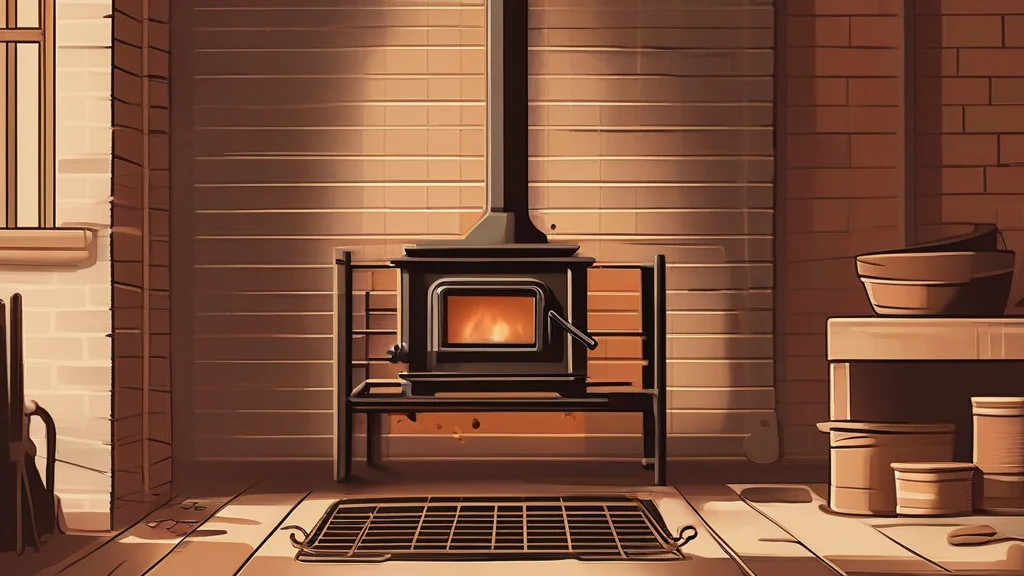
An ashpan is a shallow, usually metal pan positioned beneath the grate of a fireplace, stove, boiler, or steam-locomotive firebox, where it collects the ash that falls through as fuel burns. Because the pan is typically removable, householders could slide it out and empty the cold cinders without disturbing the fire above — a routine chore in the era when coal fires heated most homes. The word combines the familiar nouns 'ash' and 'pan', and it belongs largely to the vocabulary of domestic heating, engineering, and railway heritage. Today it appears most often in technical manuals, historical writing about steam traction, and discussions of traditional fireplaces. Though its everyday currency has faded alongside the decline of solid-fuel heating, 'ashpan' remains the precise, established term for this unglamorous but essential component of any grate-based fire.
nounA shallow metal pan or container placed beneath the grate of a fireplace, stove, or furnace to collect falling ashes.
- A removable metal pan fitted beneath the grate of a fireplace, stove, boiler, or locomotive firebox to collect ashes as fuel burns.
"He slid the ashpan out from beneath the grate and emptied it into the bin."
"The housekeeper swept the cold cinders into the ashpan each morning before laying a fresh fire."
"Steam locomotives were fitted with an ashpan beneath the firebox so that clinker and ash could be dumped at the end of a run."
Regular plural; used when referring to multiple appliances, locomotive fittings, or replacement parts.
"The workshop stocks spare ashpans for several vintage stove models."
Reviewed by Deb Chak, Editor. AI-assisted content curated by RJS Tech Solutions LLP.
Etymology of ashpan
The word ashpan is a straightforward compound of two older English words: 'ash', from Old English 'asce' (the powdery residue of burning), and 'pan', from Old English 'panne', ultimately of Latin origin via Germanic borrowing. The compound arose naturally wherever grates and stoves required a receptacle for falling ash, and it has been in use since at least the nineteenth century, coinciding with the widespread domestic and industrial burning of coal. It shares its elements with other practical compounds such as 'ashbin' and 'ashpit'.
How ashpan is actually used
Mostly encountered in technical, historical, or domestic-heating contexts; everyday use has declined along with open coal fires, though the term remains standard in railway preservation circles and among heating engineers.
Easily confused with ashpan
An ashtray is a small dish for cigarette and cigar ash, while an ashpan is a larger receptacle under a grate that collects ashes from coal or wood fires.