What does assafoetida mean?
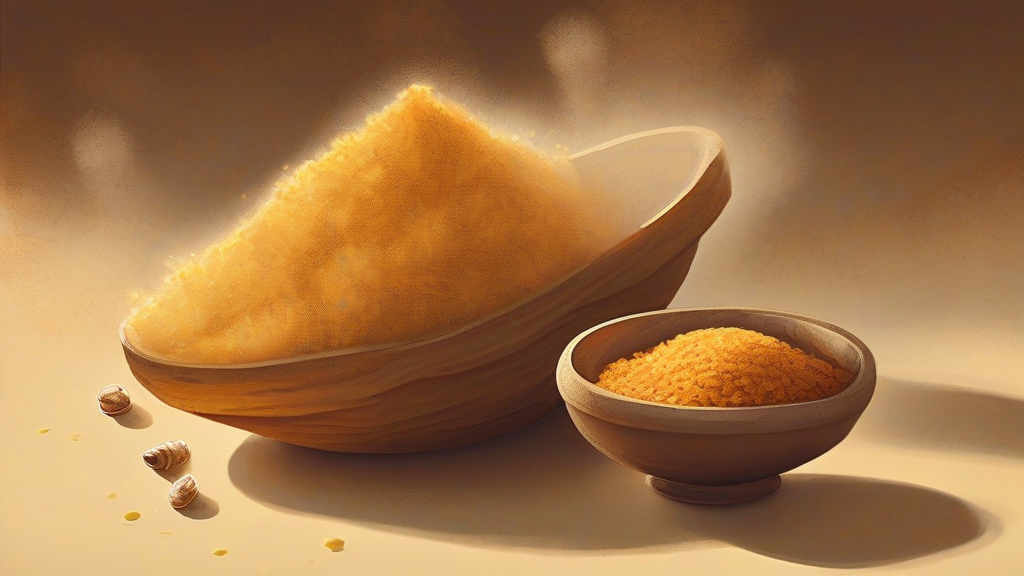
Assafoetida is a pungent gum resin harvested from the thick taproots of several giant fennel species, chiefly Ferula assa-foetida, native to Iran, Afghanistan, and Central Asia. In its raw state it has a notoriously powerful, sulphurous odour that earned it nicknames such as "devil's dung," yet when briefly fried in oil or butter it mellows into a deep, savoury flavour reminiscent of garlic and onion. This makes it indispensable in Indian cuisine, where it seasons lentil dishes, curries, and pickles — especially valuable for cooks who avoid garlic or onions. It also has a long history as a medicinal resin, prized since antiquity across Persia, the Roman world, and medieval Europe for supposed digestive and antispasmodic benefits. Sold as a golden-brown powder or in solid lumps, assafoetida is used in such small quantities that a single container lasts months, and its dramatic contrast between raw stench and cooked deliciousness has made it one of the most talked-about ingredients in world food.
nounA strong-smelling gum resin obtained from the roots of certain Ferula plants, used in Indian cooking as a flavouring and in traditional medicine. Also known by the variant spelling asafoetida.
- The pungent gum resin from Ferula plants (chiefly Ferula assa-foetida), used as a culinary seasoning, especially in Indian and Middle Eastern cuisine.
- (historical/medicinal) The same resin used as a folk remedy for digestive complaints and formerly believed to ward off illness.
"A tiny pinch of assafoetida sizzled in hot ghee gives the dal its distinctive savoury depth."
"Tempering cumin and mustard seeds with a pinch of assafoetida releases its mellow, allium-like aroma."
"In medieval European apothecaries, assafoetida was prized as a treatment for everything from headaches to hysteria."
Very rare; the word is normally uncountable. A plural might appear only when referring to different varieties or commercial grades of the resin.
"The spice merchant stocked assafoetidas from both Afghanistan and Uzbekistan."
It's nicknamed "devil's dung" because it reeks so powerfully — yet a pinch of it transforms into a savoury, garlic-onion flavour once fried, making it beloved across Indian kitchens.
Reviewed by Deb Chak, Editor. AI-assisted content curated by RJS Tech Solutions LLP.
Etymology of assafoetida
The word entered English in the late seventeenth century via New Latin "assafoetida," itself a blend of Persian "aza" (meaning "mastic" or resin) with Latin "foetida," meaning "stinking," a reference to the resin's notorious smell. The Latin element comes from "foetere," to stink, which also gives English "fetid." Cognate forms include the alternative spelling "asafoetida" and the related botanical genus name Ferula.
How assafoetida is actually used
Used almost exclusively as an uncountable mass noun referring to the substance itself. In cookery it is typically sold ground and used in minute quantities because of its intense raw smell. The spellings "assafoetida" (British) and "asafetida" (American) coexist, and "hing" is the common name on Indian grocery packaging.
Easily confused with assafoetida
"Asafetida" is simply the standard American spelling of the same word; "assafoetida" is a British variant spelling — both refer to the identical resin.