What does barock mean?
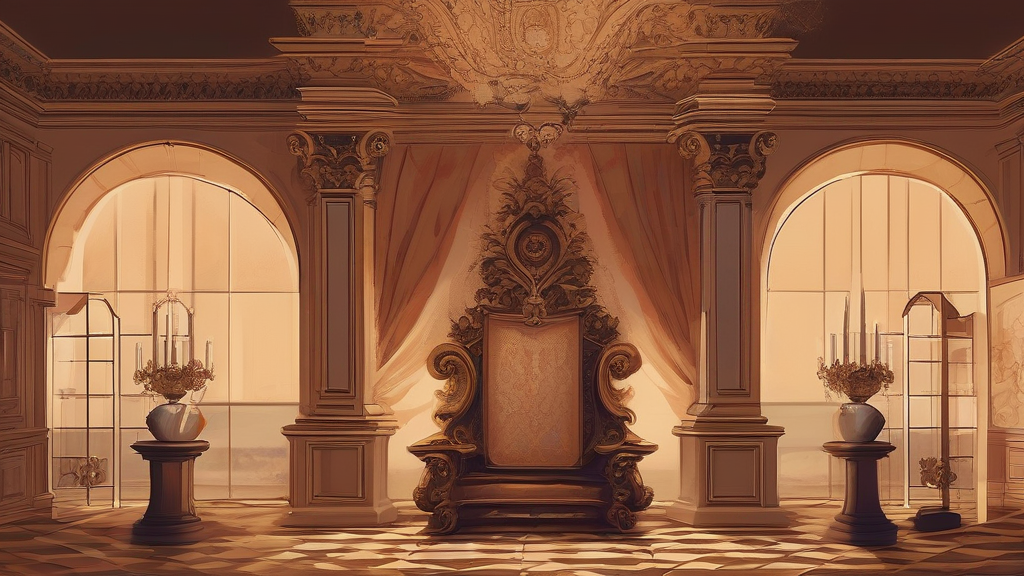
"Barock" is the German word for the Baroque, the exuberant European style of art, architecture, and music that dominated from the early seventeenth to the mid-eighteenth century. Characterized by dramatic movement, rich ornamentation, bold contrasts of light and shadow, and emotional intensity, the Baroque produced masterpieces such as Bernini's sculptures, the palaces of Bavaria and Austria, and the sacred works of Bach and Handel. In German, "Barock" functions both as an adjective describing objects in this style and as a neuter noun (das Barock) denoting the period itself. English readers will almost always encounter the equivalent term spelled "baroque," so "barock" chiefly matters when reading German-language scholarship, museum catalogues, or travel writing about Central Europe. The word ultimately traces back through Italian and Portuguese to "barroco," an irregularly shaped pearl — a fitting name for a style that prized the extravagant over the regular. Knowing the term helps distinguish the ornate grandeur of the Baroque from the lighter, more playful Rococo that followed it.
noun"Barock" is the German term for the Baroque — the ornate, dramatic style of art, architecture, and music that flourished in Europe from roughly the early 17th to the mid-18th century. In English, the equivalent word is "baroque"; "barock" itself is not a standard English word.
- The Baroque style or period in art, architecture, and music (German usage)
"The palace's Barock façade, with its swirling columns and gilded ornament, announced the wealth of its seventeenth-century patrons."
"The church interior is a masterpiece of the Barock, crowded with gilded angels and trompe-l'œil ceilings."
"Bach's organ works are often cited as the pinnacle of Barock music."
English speakers say "baroque," but Germans say "Barock" — same extravagant style, borrowed from a Portuguese word for an irregularly shaped pearl.
Reviewed by Deb Chak, Editor. AI-assisted content curated by RJS Tech Solutions LLP.
Etymology of barock
The German "Barock" and the English "baroque" share a single origin: the Portuguese "barroco," meaning an irregularly shaped pearl, which passed through French "baroque" into European usage in the later sixteenth and early seventeenth centuries. Initially used pejoratively for anything grotesque or overly convoluted, the term was gradually rehabilitated by nineteenth-century art historians to label the dominant style of the seventeenth and early eighteenth centuries. Cognates appear across European languages, including Italian "barocco" and Spanish "barroco."
How barock is actually used
In English writing, use "baroque" rather than "barock." The German noun/adjective appears mainly in German-language texts on art history, where it may be capitalized as a substantive noun (das Barock) referring to the era or style as a whole.
Easily confused with barock
"Barock" is the German spelling and form of the word, while "baroque" is the standard English term for the same artistic style.