What does blastoma mean?
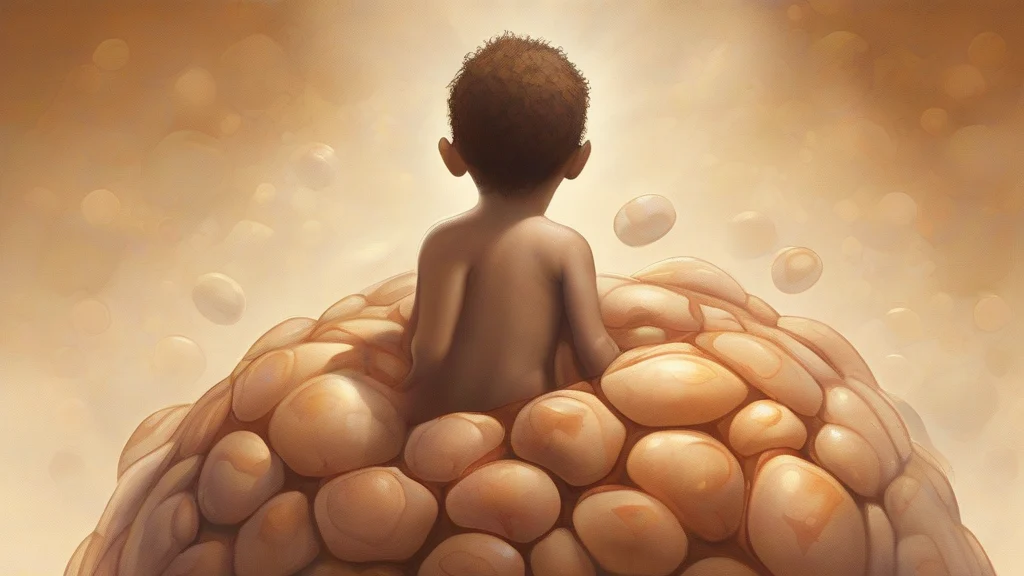
A blastoma is a tumor made up of immature, embryonic-type cells — cells that have failed to develop into the mature tissue they were destined to become. The term functions as a general category in pathology: most blastomas are actually named more specifically after the organ or tissue where they arise, producing familiar medical terms such as neuroblastoma (from nerve-cell precursors), nephroblastoma (from kidney precursors), retinoblastoma (of the retina), and hepatoblastoma (of the liver). Because these tumors stem from primitive developing cells, they occur overwhelmingly in infants and young children, and several are among the most common pediatric malignancies. The word comes from the Greek 'blastos', meaning a bud or sprout, combined with '-oma', the standard suffix for tumors. Though technical in register, the term is worth knowing because it captures an important idea in oncology: some cancers represent development gone awry rather than adult tissue turning rogue.
nounA tumor composed of immature, embryonic-type cells that fail to differentiate into mature tissue; blastomas typically arise in children and are named for the tissue or body part in which they originate.
- A tumor composed of immature, embryonic-type cells, usually named after the tissue of origin (e.g., neuroblastoma, nephroblastoma).
"The pathologist identified the mass as a nephroblastoma, a type of blastoma arising from the kidney."
"Retinoblastoma, a malignant blastoma of the retina, is one of the most common eye tumors in young children."
"The oncologist explained that a blastoma reflects arrested cellular development rather than transformation of fully mature tissue."
Both plurals are accepted; 'blastomas' is common in modern medical English, while 'blastomata' follows the Greek-style plural used for other '-oma' terms.
"Pediatric pathologists distinguish several distinct types of blastomata by their tissue of origin."
Some of medicine's most feared childhood cancers — neuroblastoma, retinoblastoma — are all 'blastomas': tumors born from cells frozen in their embryonic state.
Reviewed by Deb Chak, Editor. AI-assisted content curated by RJS Tech Solutions LLP.
Etymology of blastoma
The word 'blastoma' derives from the Greek 'blastos', meaning a germ, bud, or sprout, joined to '-oma', the Greek-derived suffix used in medicine to denote tumors. The combining form reflects the tumor's defining feature: a mass of primitive, undeveloped cells analogous to an embryonic bud. Related terms sharing the same Greek root include 'blastula' and 'blastocyst' in embryology, and cell names such as 'osteoblast' and 'fibroblast'. The term entered medical English during the nineteenth century as cellular pathology developed.
How blastoma is actually used
Strictly a medical and pathological term; rarely encountered outside clinical contexts. Plural may be 'blastomas' or the Latinized 'blastomata'.
Easily confused with blastoma
A carcinoma is a malignant tumor of epithelial cells, whereas a blastoma arises from immature embryonic cells.
A sarcoma is a tumor of connective or mesenchymal tissue, while a blastoma derives from undifferentiated precursor cells.