What does blet mean?
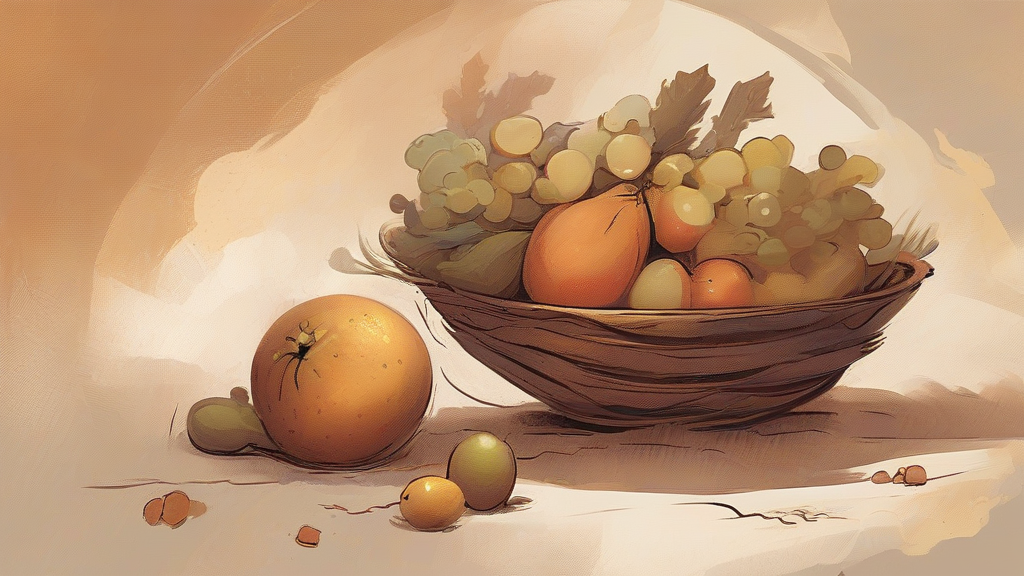
Blet is the name for the curious transformation certain fruits undergo as they pass beyond ordinary ripeness into partial decay. Most famously associated with the medlar — a fruit so astringent when fresh that it cannot be eaten raw — bletting involves the fruit's flesh softening, darkening, and sweetening until it takes on a texture often compared to stewed apples or spiced butter. What would normally be called rotting becomes, in this context, a deliberate and necessary stage: gardeners pick medlars unripe, then store them in cool, dry conditions and wait for them to blet before eating. The word functions both as a noun naming the process or resulting state and as the base of related forms like 'bletted' and 'bletting.' Though obscure outside horticultural circles, it is indispensable to anyone growing or cooking with medlars, quinces, or similar fruits, and it stands as a rare English word that treats decay not as ruin but as ripeness fulfilled.
nounThe softening and sweetening of certain fruits, especially medlars and some other pome fruits, that occurs after they have begun to rot or decay beyond normal ripeness. The resulting state of the fruit, which makes it palatable when it would otherwise be inedibly astringent.
- The process by which certain fruits, notably medlars, soften and sweeten after over-ripening or partial decay.
- The state of a fruit that has undergone this process and become soft, brown, and edible.
"Medlars must be bletted before eating, so the fruit is left until it turns soft and brown."
"Leave the medlars on a windowsill for a fortnight until they are properly bletted."
"The quince had begun to blet, its flesh turning from pale gold to a soft, russet brown."
A medlar isn't ready to eat until it has rotted — gardeners call this deliberate decay 'bletting,' one of the strangest requirements in all of horticulture.
Reviewed by Deb Chak, Editor. AI-assisted content curated by RJS Tech Solutions LLP.
Etymology of blet
Blet entered English in the early seventeenth century, borrowed from French 'blet,' which described fruit that had softened past ripeness. The French word itself is generally traced to a Germanic source, though its deeper origins remain somewhat uncertain. It remains closely associated with French culinary and horticultural vocabulary concerning fruit, and no true cognates are firmly established in modern English.
Related word forms
How blet is actually used
A specialist term used mainly in gardening, pomology, and food writing. It carries no negative connotation despite describing what is essentially controlled decay; indeed, bletting is essential to making fruits like the medlar edible. Far more common in British usage than American.
Easily confused with blet
Bleat refers to the cry of a sheep or goat, while blet refers to the post-ripening softening of fruit.