What does brier mean?
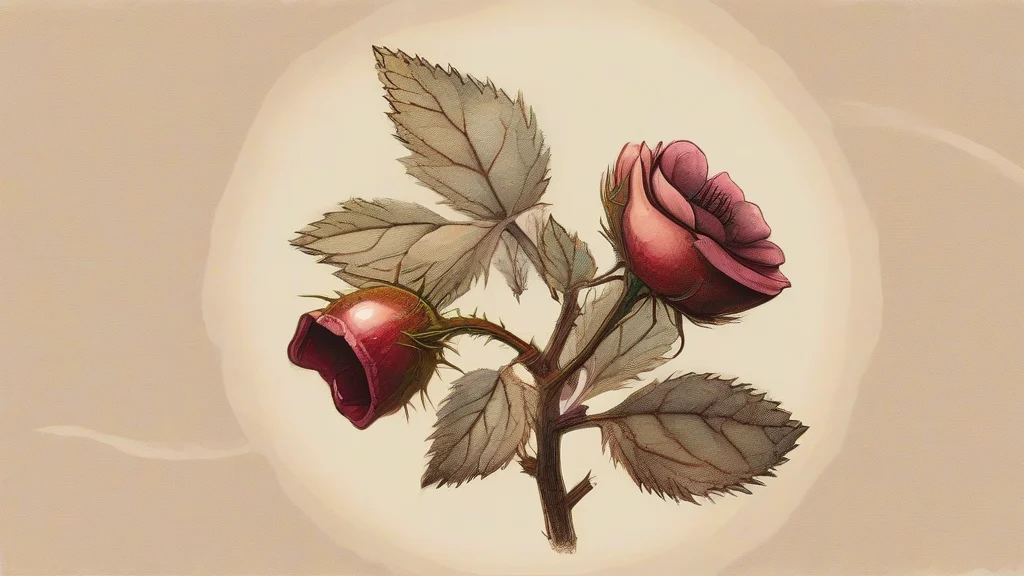
A brier is any of various prickly, thorny shrubs, most often referring to wild roses, blackberries, or similar brambles that tangle across fields, hedgerows, and woodland edges. The word appears frequently in literature to suggest roughness, obstruction, or the harsh beauty of uncultivated land, and it survives in idiomatic expressions such as being "in the brier patch." A second, unrelated sense refers to a tobacco pipe carved from the dense, heat-resistant root burl of the white heath tree native to Mediterranean regions; this material, usually called briarwood or briar root, has been prized by pipe makers since the nineteenth century for its durability and attractive grain. The spellings "brier" and "briar" are interchangeable, with neither considered incorrect, though "briar" tends to dominate contemporary usage. Whether describing an impenetrable thicket or a treasured smoking instrument, the word evokes something rooted firmly in nature.
A prickly thorny shrub, especially wild rose or blackberry bramble.
"Rabbits darted into the thick brier at the edge of the meadow."
Often used figuratively to describe a troublesome situation, as in "a brier of complications."
A tobacco pipe made from the root of the white heath (Erica arborea).
"Collectors pay high prices for antique brier pipes from the early twentieth century."
Regular plural formation; used when referring to multiple individual plants or bushes.
"The hillside was covered in briers after years without grazing."
The same word that describes a painful thorny bush also names the smooth wooden pipes beloved by Sherlock Holmes — both come from roots deep in European soil.
Reviewed by Deb Chak, Editor. AI-assisted content curated by RJS Tech Solutions LLP.
Etymology of brier
"Brier" derives from Middle English, appearing in forms such as "brere" and "briar," likely influenced by Old Norse "brír" meaning a bramble or thorny bush. The word's deeper origins remain somewhat uncertain, though it is generally linked to Germanic roots associated with prickly plants. The separate sense referring to a smoking pipe emerged in the nineteenth century when French pipe makers began importing the root burls of Erica arborea, adopting the existing word for thorny shrubs to describe this new material.
How brier is actually used
Both "brier" and the variant spelling "briar" are standard in British and American English, though "briar" is somewhat more common in modern usage. The word carries a rustic, often literary connotation, evoking untamed countryside or hardship. The pipe sense is largely confined to contexts of tobacco smoking and collectibles.
Easily confused with brier
"Briar" is simply an alternative spelling of the same word; "brier" is the older form and both are accepted.
"Buyer" means one who purchases something, while "brier" is a thorny shrub — they differ only in spelling and pronunciation nuance.