
What does bud mean?
A bud is the small, tightly closed structure on a plant that holds an undeveloped shoot, leaf, or flower, poised to unfurl when conditions are right. Buds appear on trees and shrubs through winter and burst open in spring, making the word a familiar emblem of new growth and fresh beginnings. Beyond botany, 'bud' has taken on two other everyday uses: as a verb meaning to produce buds, and as a friendly, informal way of addressing someone, especially in American English — 'Hey, bud' — though that usage can feel patronizing depending on who says it. The word also lives in common idioms such as 'nip it in the bud,' meaning to stop a problem at its earliest stage, and in 'taste bud,' one of the sensory receptors on the tongue. Compact, concrete, and richly figurative, 'bud' bridges the garden and everyday speech.
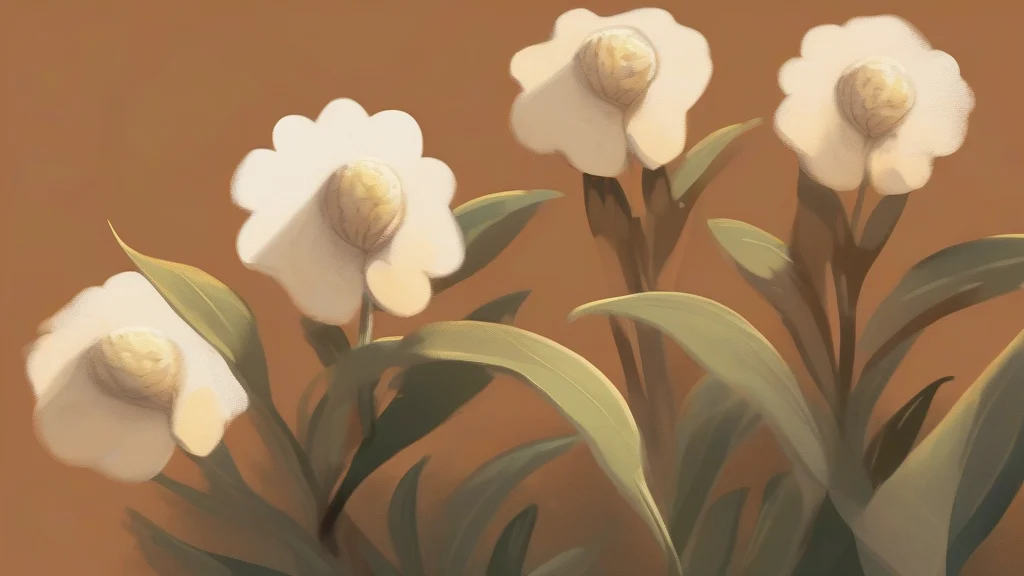
A compact, undeveloped shoot or flower on a plant, enclosed in protective scales, from which leaves, blossoms, or a new branch will grow.
"The apple tree's fruit buds survived the late frost."
Botanically, buds may be classified as leaf buds, flower buds, or mixed buds.
(Informal) A friendly term of address for a boy or man.
""Take it easy, bud," he said as he handed back the wrench."
Chiefly North American; can imply condescension depending on tone and relative status.
To produce or put out buds; to begin to grow or develop.
"The lilacs budded early this year thanks to the mild winter."
Standard plural; used both for plant structures and, informally, for multiple people addressed as 'bud.'
"The branches were dotted with hundreds of tiny buds."
When you 'nip something in the bud,' you're doing exactly what gardeners do — crushing a flower before it can bloom — which is why the phrase means stopping trouble before it grows.
Reviewed by Deb Chak, Editor. AI-assisted content curated by RJS Tech Solutions LLP.
Etymology of bud
The word 'bud' comes from Middle English 'budde,' first attested around the fourteenth century, though its ultimate origin is uncertain — possibly related to Old French 'boter' (to push or sprout) or to a Germanic root. It has been linked to 'button,' which shares a similar sense of a small rounded mass, but the connection is not definitively established. The word has carried its core botanical meaning unchanged since Middle English, and its use as a friendly form of address arose later, likely by extension from the idea of something young and undeveloped.
Related word forms
How bud is actually used
The informal address 'bud' is chiefly North American and casual; it can sound friendly between peers but condescending from a superior to a subordinate. The verb sense is standard but less frequent than the noun.
Easily confused with bud
'Bud' means a plant's undeveloped shoot or is an informal address term, while 'butt' means the thicker end of something, a target of jokes, or a cigarette end.