What does burlesque mean?
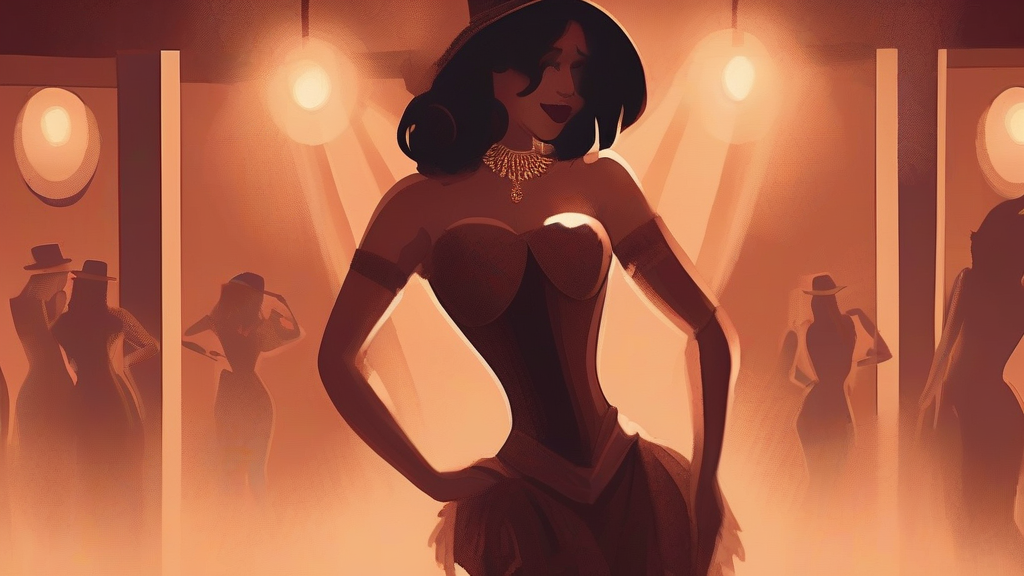
Burlesque is both a literary device and a form of popular entertainment. In literature, it denotes a work — a poem, play, or prose piece — that mocks its subject by treating a serious topic frivolously or a trivial one grandly, achieving comedy through deliberate mismatch of style and matter. In the performing arts, burlesque refers to a genre of variety entertainment that flourished from the mid-19th century onward, combining comic sketches, music, and eventually striptease; the word today often conjures this theatrical tradition, which has seen notable revivals. The term derives from Italian 'burlesco', rooted in 'burla' meaning jest or joke. Burlesque sits within a family of mock-forms alongside parody and travesty, distinguished by its broad exaggeration rather than close imitation. Whether describing Chaucerian-style comic inversion or a sequined stage act, the word consistently signals humour achieved through playful distortion of the dignified.
A literary or dramatic work that ridicules its subject through exaggerated imitation; a variety entertainment featuring comic and striptease acts.
"The critic dismissed the film as mere burlesque."
The literary sense predates the theatrical one by over two centuries.
Relating to or characteristic of burlesque; done in a broadly mocking, exaggerated manner.
"He gave a burlesque imitation of the headmaster."
Less common than the noun; mostly found in formal or literary contexts.
To imitate or represent something in a ludicrously exaggerated way.
"The sketch burlesqued the rituals of high diplomacy."
Fairly rare; 'parody' is far more frequent as a verb.
Standard plural; used when referring to multiple works or shows of the burlesque type.
"The archive preserves dozens of Victorian burlesques."
Before it meant feathers and sequins on stage, 'burlesque' was the word critics used for literature that made fun of serious things by treating them ridiculously — and it's been mocking authority since 17th-century Italy.
Reviewed by Deb Chak, Editor. AI-assisted content curated by RJS Tech Solutions LLP.
Etymology of burlesque
Burlesque entered English in the early 17th century from Italian 'burlesco', derived from 'burla', meaning joke or mockery, with possible influence from Spanish 'burla'. It originally described literary works that ridiculed their subjects through incongruous treatment, and the sense relating to variety theatre developed later, particularly in 19th-century America. Cognates include grotesque and arabesque, though these share only the adjectival suffix pattern rather than the root itself.
Related word forms
How burlesque is actually used
In literary criticism, 'burlesque' carries a neutral or even appreciative tone; in everyday speech it most often evokes the theatrical striptease tradition. As an adjective ('burlesque style') it retains the older literary sense more than the noun does.
Easily confused with burlesque
Grotesque describes something bizarre or distorted in appearance, while burlesque refers to mocking imitation or comic exaggeration.
Burly means muscular or heavily built, whereas burlesque denotes parody or risqué variety entertainment.