
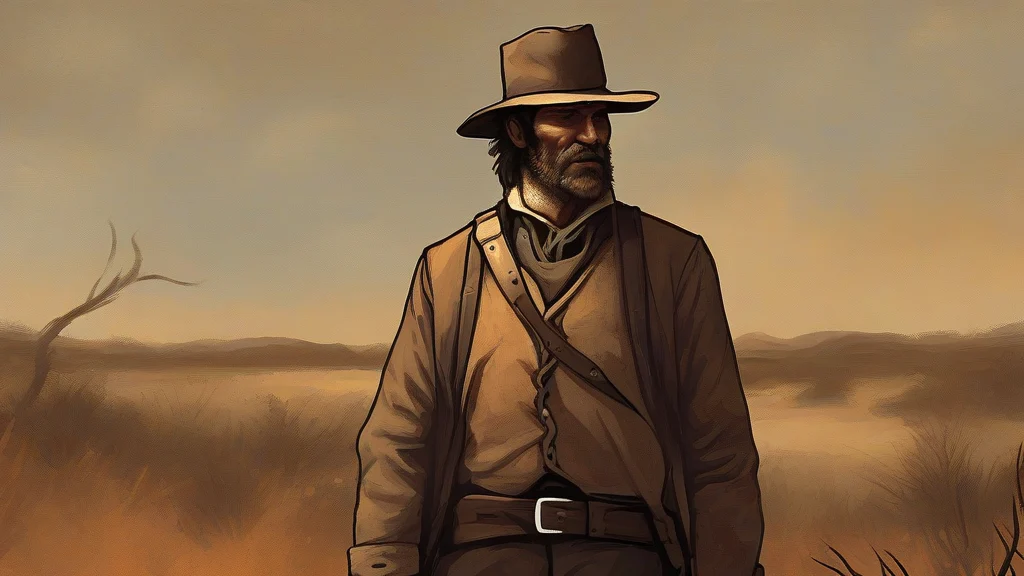
What does bushranger mean?
A bushranger is, above all, an Australian historical term for an outlaw who lived and operated in the bush, especially an escaped convict or member of a band that raided settlements. The word is most closely associated with nineteenth-century figures such as Ned Kelly, whose story became a lasting part of Australian folklore. In modern writing, “bushranger” usually preserves that historical and regional flavour, so it should not be used as a general synonym for any criminal. Its connotations are mixed: bushrangers were feared for violence and theft, yet their resistance to colonial authority has also made them symbols of rebellion, independence, and anti-establishment identity. Accounts of individual figures can therefore be highly romanticized, and the term often appears in discussions of Australian frontier history, popular culture, and contested national memory. Recognising the word’s specific Australian setting helps distinguish a real historical term from a generic label for a bandit.
nounIn Australian English, a bushranger is an escaped convict who lived and operated as an outlaw in the bush, especially as part of a band that raided settlements during the nineteenth century.
- A member of the bush, especially an escaped convict or member of a gang that raided settlements in nineteenth-century Australia.
"The film follows an Australian bushranger who evades the police and becomes a legendary outlaw."
"The police mounted a campaign against bushranger Ned Kelly in the 1870s."
"Her novel imagines a bushranger evading the authorities in colonial Australia."
The standard plural is used for individual members and for groups associated with the term.
"The book profiles several bushrangers who operated in colonial Australia."
Ned Kelly and his gang turned the Australian bushranger into an enduring symbol of defiance.
Reviewed by Deb Chak, Editor. AI-assisted content curated by RJS Tech Solutions LLP.
Where does bushranger come from?
The word is an English compound of bush, meaning uncultivated country, and ranger, a person who ranges over an area. It emerged in Australian English in the early nineteenth century for escaped convicts living and preying in the bush, and it later became strongly associated with organized bands that raided settlements. As an English compound, it has no conventional set of inherited cognates comparable to vocabulary derived from Latin or Greek.
Related word forms
How bushranger is actually used
Chiefly a historical Australian term. It carries frontier-bandit and anti-authority associations and is often more evocative than the more neutral words outlaw or bandit.