What does cabinet mean?
Cabinet is a noun with two well-established senses. Most basically, it refers to a piece of storage furniture — a case fitted with shelves, drawers, or compartments, often enclosed by doors — used to hold dishes, files, medicines, or treasured objects. The word also denotes the inner circle of executive power: in Britain and many Commonwealth countries, the Cabinet is the committee of senior ministers who head government departments and collectively direct policy under the prime minister; in the United States, it designates the President's departmental secretaries and advisers. Both uses are standard across British and American English, though the political sense is conventionally capitalized. Derived terms such as cabinetry and cabinetmaker belong chiefly to the woodworking and interior-design trades. Whether describing a humble kitchen cupboard or the highest council of state, cabinet consistently conveys the idea of an ordered, enclosed space where important things are kept.
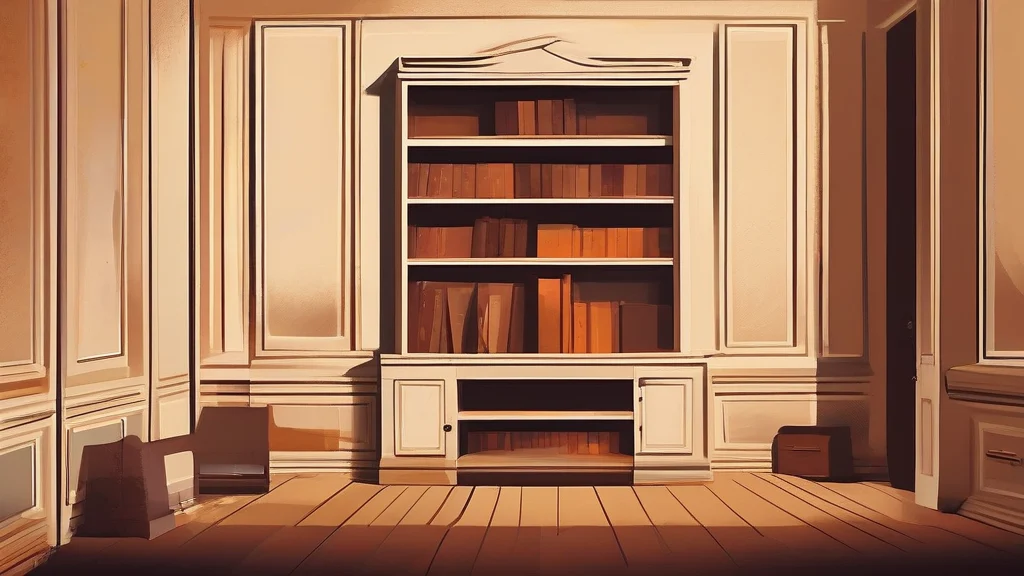
A piece of furniture with shelves or drawers, typically enclosed by doors, used for storing or displaying items.
"The china was arranged neatly behind the glass doors of the display cabinet."
The body of senior ministers or advisers who head executive departments of government and advise the head of state.
"The Prime Minister reshuffled his cabinet ahead of the new parliamentary session."
Usually capitalized ('the Cabinet') in formal political writing.
Standard English plural; used identically for the furniture sense and, more rarely, when referring to multiple governments' cabinets.
"The workshop builds bespoke kitchen cabinets to order."
The word 'cabinet' literally means 'little cabin' — the same word that names a tiny hut shrank down to describe both your kitchen cupboards and the room where presidents and prime ministers meet their closest advisers.
Reviewed by Deb Chak, Editor. AI-assisted content curated by RJS Tech Solutions LLP.
Etymology of cabinet
Cabinet entered English from French in the mid-16th century, ultimately deriving from the Old French 'cabane', meaning a small hut or shelter. It originally meant a small private room or chamber — a 'little cabin' — before extending to the furniture placed within such rooms and, by extension, the small group of advisers who met privately with the monarch. This political sense became firmly established in Britain during the 17th and 18th centuries and was later adopted into American political usage.
Related word forms
How cabinet is actually used
Both the furniture sense and the governmental sense are standard in British and American English. In political contexts, 'the Cabinet' is normally capitalized and refers specifically to the executive advisory body; the term carries connotations of authority and top-level decision-making.
Easily confused with cabinet
A cabin is a small wooden dwelling or ship's compartment, while a cabinet is storage furniture or a body of government ministers.