What does campagne mean?
"Campagne" is a word English readers mostly meet in two settings: in historical texts, where it served as an earlier spelling of what is now written "campaign" — a coordinated series of military operations aimed at a strategic goal — and in French, where it remains a living word meaning the countryside or open rural land. Both senses descend from the same root: Late Latin campania, meaning open country or plain, which also gave English "champaign" and "campaign" through Old French. As an English word, "campagne" is effectively obsolete; modern writers use "campaign" without exception. Its survival is largely literary and etymological, making it useful chiefly for readers of older military histories, translated memoirs, or French-language material, where it may denote either a season of warfare or the fields and farmland beyond a town's walls.
An archaic form of "campaign": a connected series of military operations, or figuratively any sustained organized effort.
"The chronicler devoted an entire chapter to the Flemish campagne of 1672."
Obsolete in current English; found mainly in pre-modern texts and period reproductions.
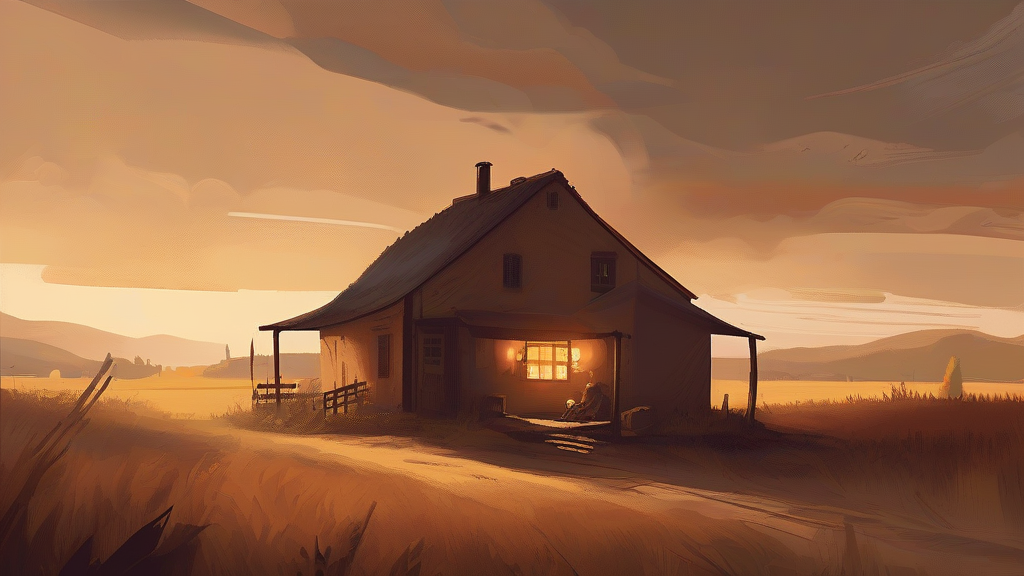
In French, and occasionally in untranslated English contexts: the countryside or open rural land.
"They left the city at dawn and spent the day riding through the campagne."
When quoting or translating French, "campagne" is often retained in italics; otherwise render it as "countryside."
As an English noun, the plural follows the regular pattern; in French, campagnes likewise serves as the plural.
"His papers cover several campagnes across two decades of service."
Before English settled on "campaign," writers spelled it "campagne" — a leftover of its French origins that survives today only in old military memoirs.
Reviewed by Deb Chak, Editor. AI-assisted content curated by RJS Tech Solutions LLP.
Etymology of campagne
"Campagne" entered English from Old French campagne, itself derived from Late Latin campania, meaning "open country" or "level plain" — a term associated with the Campania region of Italy. The same Latin root produced English "campaign" and the now-archaic "champaign." In English, "campagne" functioned chiefly as a variant spelling of "campaign" referring to military expeditions, before being superseded by the modern spelling; in French it continues to mean the countryside as well as a sustained undertaking.
How campagne is actually used
"Campagne" is not part of ordinary modern English vocabulary; readers will encounter it almost exclusively in historical documents, older translations, or French passages left untranslated. In contemporary writing, "campaign" is always preferred for English prose.
Easily confused with campagne
"Campaign" is the standard modern English word for a series of military operations or organized activities, while "campagne" is its archaic spelling or the French source word.
"Champaign" is a now-poetic English word meaning open level country, whereas "campagne" historically referred to a military expedition or the French notion of countryside.
"Champagne" is the sparkling wine from the Champagne region of France, unrelated in meaning though similar in spelling and pronunciation to "campagne."