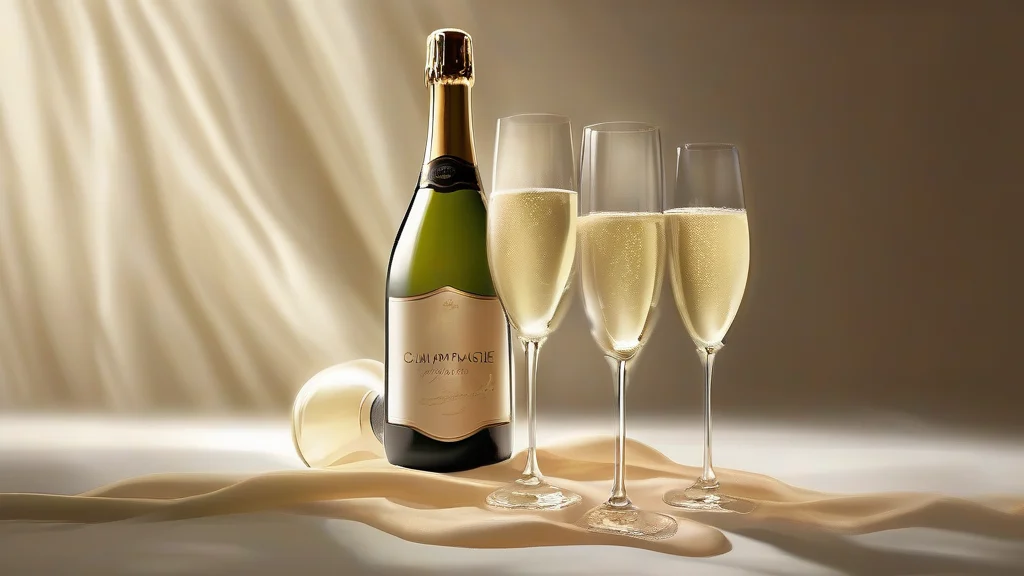
What does champagne mean?
Champagne is a sparkling white wine that originates exclusively from the Champagne region of north-eastern France, where it is produced according to long-established rules governing grapes, methods, and labelling. Its signature bubbles arise from a secondary fermentation — traditionally inside the bottle — which traps carbon dioxide in the wine. The word also functions more loosely to describe any sparkling wine served on festive occasions, so much so that champagne has become a cultural shorthand for celebration, luxury, and success: people 'pop the champagne' at weddings, launches, and victories. In everyday speech the term appears in phrases such as 'a bottle of champagne' or 'champagne flute'. Informally, speakers may say 'bubbly' (especially in America) or 'Champ' (in Britain). Because the name carries legal protection, only wines genuinely from Champagne may bear the label, making the word both a beverage term and a mark of provenance.
nounA sparkling white wine made in the Champagne region of north-eastern France under strict appellation rules, typically by fermenting the wine a second time in the bottle. By extension, it refers to any sparkling wine, especially one served at celebrations.
- Sparkling white wine produced in the Champagne region of France.
- Any similar sparkling wine, or the drink generally as an emblem of celebration and luxury.
"They toasted the newlyweds with flutes of chilled champagne."
"The team popped open a bottle of champagne to celebrate the deal."
"She ordered a glass of champagne while waiting for her friend at the bar."
Usually treated as an uncountable mass noun ('some champagne'); the plural is used chiefly to refer to different varieties, brands, or glasses of champagne.
"The cellar stocks champagnes from several small growers."
Champagne can only be called champagne if it comes from the Champagne region of France — everywhere else, even if made identically, it's legally just sparkling wine.
Reviewed by Deb Chak, Editor. AI-assisted content curated by RJS Tech Solutions LLP.
Etymology of champagne
The word champagne comes from the French, literally meaning 'wine from Champagne', the region whose name derives from Latin campania, meaning 'level plain or open country' — the same Latin root that gives us campaign and the rare English word champaign. The drink's association with the region dates back centuries, with the modern bottle-fermented style developing there from the late 17th century onward. English borrowed the word in the same period, when the sparkling wine became fashionable among European aristocracy.
How champagne is actually used
In British English it is sometimes shortened informally to 'Champ'; in American English, 'bubbly' is the common informal equivalent. Because of EU and international trademark protections, wines not from the Champagne region may not be sold as 'champagne' in many jurisdictions — writers should use 'sparkling wine' for generic reference.
Easily confused with champagne
Champaign is a rare literary word meaning open, level country (as in 'the champaign country'), whereas champagne is the sparkling French wine.