
What does campo mean?
Campo is a noun borrowed from Spanish, where it means field or open country. In English it survives mainly as a regionalism of the American Southwest, inherited from the Spanish-speaking settlement of Texas and Mexico's borderlands, and it appears frequently in writing about Latin America. In Spanish usage more broadly, campo carries rich cultural weight: it can mean farmland, pasture, or simply 'the country' as opposed to the city, evoking rural life, agriculture, and open space. English writers use it when describing ranching landscapes or rural Latin American settings — one might speak of cattle grazing on the campo, or of leaving the capital for life in the campo. Because the word derives from Latin campus, meaning an open field, it shares an origin with familiar English words such as camp, campus, and campaign. For readers, campo is best understood as a flavorful, place-specific synonym for field or countryside rather than a common everyday English word.
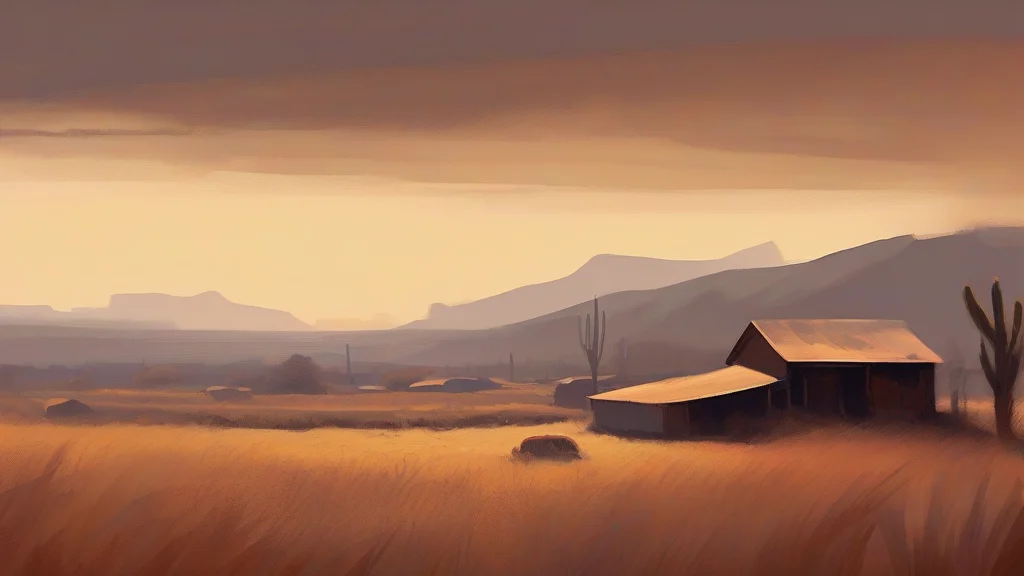
nounA field or open stretch of countryside, especially in the southwestern United States and other regions where the term has been borrowed from Spanish.
- An open field or expanse of rural land, especially in areas influenced by Spanish (e.g., the American Southwest).
- (In Spanish-speaking contexts) The countryside generally, as opposed to the city, or farmland worked for agriculture.
"They rode all day across the open campo without seeing another ranch."
"Cattle grazed freely across the wide campo beyond the river."
"After years in Buenos Aires, she longed to return to the quiet of the campo."
Takes the regular English plural; in Spanish contexts the plural campos is likewise standard.
"Several small farms dotted the campos along the valley floor."
The same Latin root that gave us "campus" and "campaign" gave Spanish speakers "campo" — so every university campus is literally named after a field.
Reviewed by Deb Chak, Editor. AI-assisted content curated by RJS Tech Solutions LLP.
Etymology of campo
Campo comes directly from Spanish campo, meaning field or countryside, which descends from Latin campus, an open field or plain. That same Latin root produced English camp, campus, campaign, and encampment, making them true cognates of campo. The word entered English through contact with Spanish in the Americas, particularly in the southwestern United States and in literary descriptions of Latin America, though it remains far less naturalized than its sibling words camp and campus.
How campo is actually used
In English, campo is a borrowing from Spanish and is most at home in regional contexts such as the American Southwest or in writing about Latin America, where it often carries the broader sense of 'the countryside' as opposed to urban life. Elsewhere it is rare enough to read as an exoticism and may warrant italics in some editorial styles.
Easily confused with campo
"Camp" refers to a place with tents or temporary lodging, while "campo" means an open field or stretch of countryside.
"Campus" is the grounds of a school or university, whereas "campo" denotes open rural land.