What does cappuccino mean?
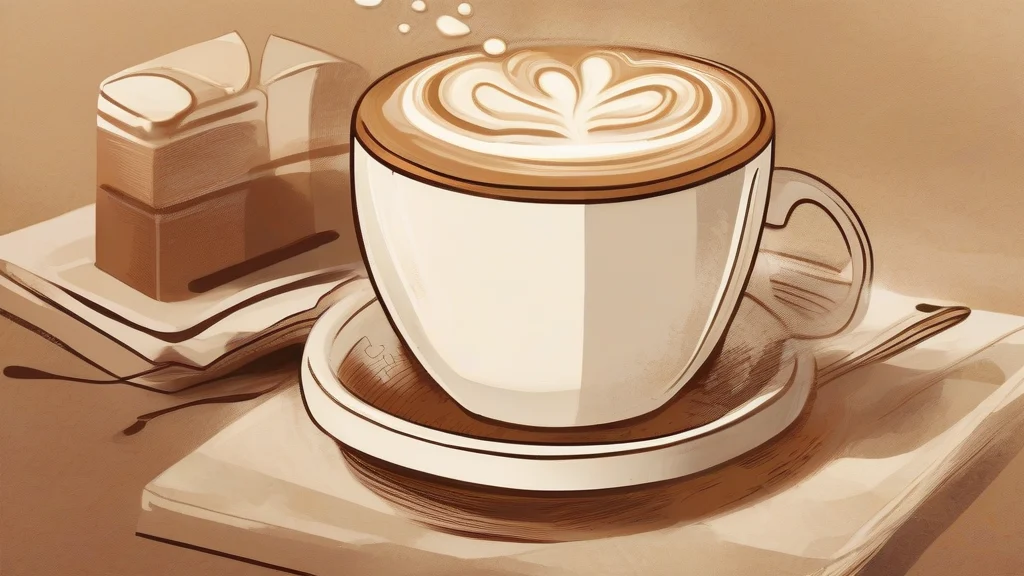
A cappuccino is an espresso-based coffee drink prepared with roughly equal parts espresso, steamed milk, and foamed milk, typically served in a small ceramic cup of about 150–180 millilitres. The foam layer gives it a light, airy texture and makes it a popular canvas for latte art. Originating in Italy, where it remains a breakfast staple, the drink spread worldwide through café culture and became a fixture of menus from Vienna to Seattle. Variations include the dry cappuccino (with less steamed milk) and the skinny cappuccino (made with non-fat milk). The word entered English as a loanword from Italian in the twentieth century and is pluralised simply as cappuccinos. Its name carries a memorable historical link: it references the Capuchin order of Franciscan friars, whose brown hooded habits resemble the drink's characteristic tan colour. Today the term signals both a specific beverage and, more broadly, an everyday ritual of modern coffee culture.
An espresso-based coffee drink made with roughly equal parts espresso, steamed milk, and foamed milk, served in a small cup.
"The waiter brought two cappuccinos dusted with cocoa powder."
A cup or serving of this drink.
"He bought three cappuccinos for the table."
Although the Italian plural is 'cappuccini', standard English practice is to add -s, treating the word as a fully naturalised loanword.
"We ordered four cappuccinos and a slice of cake."
The cappuccino owes its name not to a barista but to monks — Italian coffee drinkers in the 1700s thought the drink's brown colour matched the hooded habits of Capuchin friars.
Reviewed by Deb Chak, Editor. AI-assisted content curated by RJS Tech Solutions LLP.
Etymology of cappuccino
Cappuccino comes from the Italian word for a Capuchin friar, itself derived from the hooded cloak (cappuccio) characteristic of the order founded in the sixteenth century. When coffee with milk — resembling the friars' brown habit — became popular in Viennese and Italian cafés, Italians named the drink after them. The English word is a direct borrowing of the Italian beverage name, first appearing in English usage around the early twentieth century as espresso culture spread beyond Italy.
How cappuccino is actually used
Cappuccino is a loanword from Italian, pluralised as 'cappuccinos' in English rather than the Italian 'cappuccini'. It carries a mildly cosmopolitan café-culture connotation. In traditional Italian usage, cappuccino is considered a morning drink and is rarely ordered after midday; this convention is often noted but not strictly followed outside Italy.
Easily confused with cappuccino
A latte contains much more steamed milk and only a thin layer of microfoam, whereas a cappuccino is roughly one-third espresso, one-third steamed milk, and one-third foamed milk, giving it a lighter, airier texture.
Capuchin refers to a member of the Franciscan Order of Friars Minor Capuchin (or to their brown hooded habit), while cappuccino is the coffee drink whose name was inspired by that habit's colour.