What does cingulum mean?
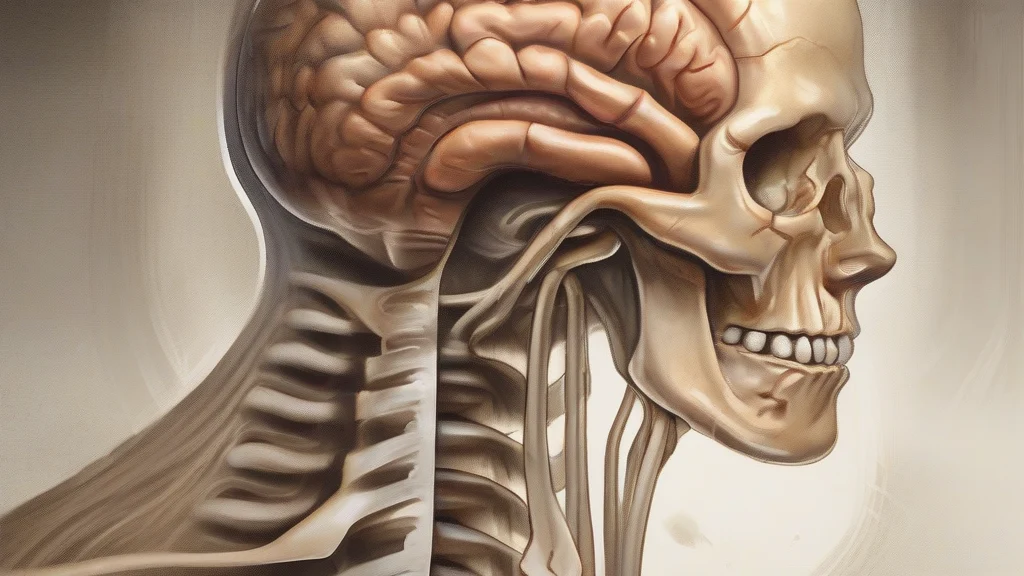
Cingulum is a Latin-derived anatomical term meaning, literally, a belt or girdle. In modern usage it refers chiefly to two structures. In neuroscience, the cingulum is a prominent curved bundle of nerve fibres that arcs above the corpus callosum inside the cingulate gyrus, forming one of the brain's major association tracts and linking areas involved in emotion, memory, and attention; its integrity is often measured in imaging studies of conditions such as Alzheimer's disease and depression. In dentistry, a cingulum is an elevated ridge of enamel found on the tongue-side surface of certain teeth, particularly the upper incisors. The word is formal and technical, appearing almost exclusively in medical, dental, and scientific literature rather than everyday conversation. Its plural is 'cingula' (or occasionally 'cingulums'), and its relatives include 'cincture' and 'cinch', which descend from the same Latin verb 'cingere', meaning to encircle or gird. Understanding 'cingulum' offers a vivid example of how ancient words for ordinary objects come to name intricate structures of the human body.
nounIn anatomy and dentistry, a girdle-like structure: specifically a prominent curved tract of white matter in the brain arching over the corpus callosum within the cingulate gyrus, or an elevated ridge of enamel on the lingual surface of certain teeth.
- A curved association tract of nerve fibres in the brain, running within the cingulate gyrus above the corpus callosum and connecting parts of the limbic system.
- In dentistry, a raised lingual ridge of enamel on the cervical third of certain teeth, especially incisors.
"Diffusion MRI revealed reduced integrity of the cingulum in patients with early Alzheimer's disease."
"Damage to the cingulum can disrupt attention and emotional regulation because it connects key regions of the limbic system."
"The dentist noted a pronounced cingulum on the lingual surface of the maxillary lateral incisor."
The standard plural follows the Latin declension ('cingula'); the anglicised 'cingulums' is seen but less common.
"Both cingula were examined for signs of demyelination."
The word for a Roman soldier's belt now names a highway inside your brain — the cingulum is the curved fibre tract that links your emotional and cognitive circuits.
Reviewed by Deb Chak, Editor. AI-assisted content curated by RJS Tech Solutions LLP.
Etymology of cingulum
Cingulum comes directly from Latin, where it meant a belt, sash, or girdle — the garment worn around the waist by Roman soldiers and citizens alike. It derives from the Latin verb 'cingere', meaning to surround or encircle, which also produced English cognates such as 'cincture', 'succinct', and 'precinct'. English adopted the word in its anatomical sense in the seventeenth century, applying this ancient term for a waistband to any girdle-shaped bodily structure, most prominently today in neuroanatomy and dentistry.
Related word forms
How cingulum is actually used
A technical term confined largely to neuroscience, anatomy, and dentistry; rarely encountered outside medical or academic writing. In British English the plural is often given the Latinate form 'cingula', though 'cingulums' also occurs.
Easily confused with cingulum
'Cingulum' names the anatomical band itself (a white-matter tract or tooth ridge), while 'cingulate' is the adjective describing structures that surround or relate to it, such as the cingulate gyrus or cingulate cortex.