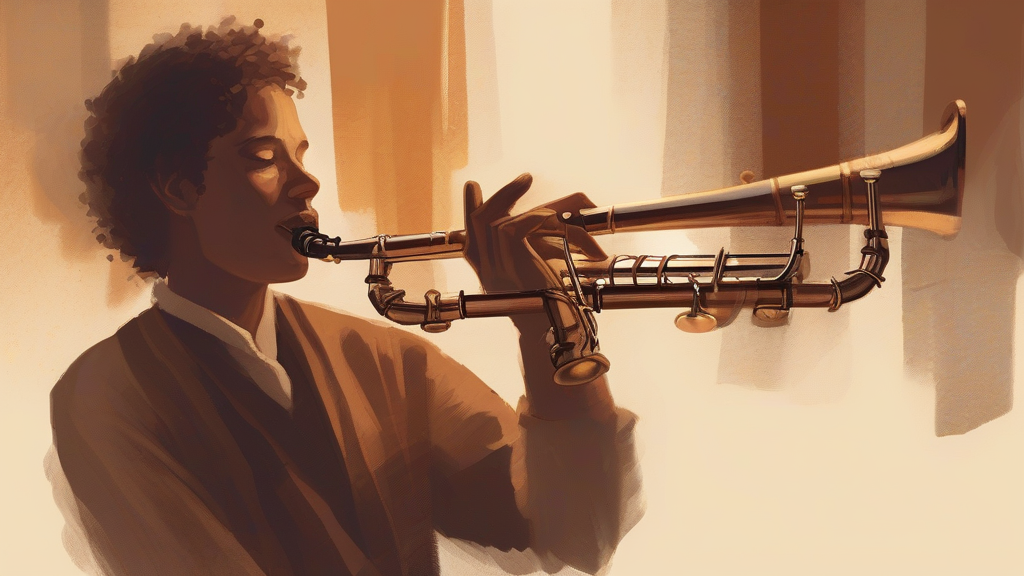
What does clarinettist mean?
A clarinettist is a musician who plays the clarinet, a single-reed woodwind instrument prized for its wide expressive range. The term most often denotes a professional or accomplished performer, whether seated in a symphony orchestra, leading a chamber ensemble, or improvising in a jazz band. British English favours the spelling 'clarinettist', with a double t, while American usage typically prefers 'clarinetist'; both forms are equally valid. Clarinettists occupy a notable place in musical history: figures such as Benny Goodman elevated the instrument to stardom during the swing era, while orchestral repertoire by Mozart, Brahms, and Copland showcases the clarinet's lyrical warmth. The word derives from the Italian 'clarinetto', meaning 'little clarion' or small trumpet-like instrument, itself rooted in the Latin 'clarus', meaning clear or bright. For anyone writing about classical music or jazz, 'clarinettist' offers a precise, respected term for this specialist performer.
nounA person who plays the clarinet, especially as a profession or skilled performer.
- A musician who plays the clarinet, especially professionally or in an orchestra or band.
"The clarinettist opened the concert with a haunting solo over soft strings."
"She trained as a clarinettist at the Royal Academy of Music before joining the London Symphony Orchestra."
"The jazz club fell silent as the clarinettist began a smoky rendition of a Duke Ellington standard."
Regular plural formed by adding -s; used when referring to multiple players collectively.
"Three clarinettists performed together in the wind section."
Benny Goodman, the 'King of Swing,' was one — and his 1938 Carnegie Hall concert turned this reed player into an American icon.
Reviewed by Deb Chak, Editor. AI-assisted content curated by RJS Tech Solutions LLP.
Etymology of clarinettist
The word traces back to 'clarinet', borrowed from the Italian 'clarinetto', a diminutive of 'clarino', meaning a high-pitched trumpet or clarion. That term ultimately stems from the Latin 'clarus', meaning clear or bright, reflecting the instrument's penetrating tone. As the clarinet established itself in European music from the early eighteenth century onward, '-ist' was appended to form the agent noun for its players.
Related word forms
How clarinettist is actually used
'Clarinettist' is the conventional spelling in British English, while American English typically prefers 'clarinetist'; both are fully correct and refer to the same role. The word carries a neutral to positive register, associated with classical, jazz, and wind-band contexts.
Easily confused with clarinettist
Both mean a clarinet player, but 'clarinettist' is the standard British spelling with double t, while 'clarinetist' is the usual American spelling.
The clarinet is the woodwind instrument itself, whereas the clarinettist is the musician who plays it.