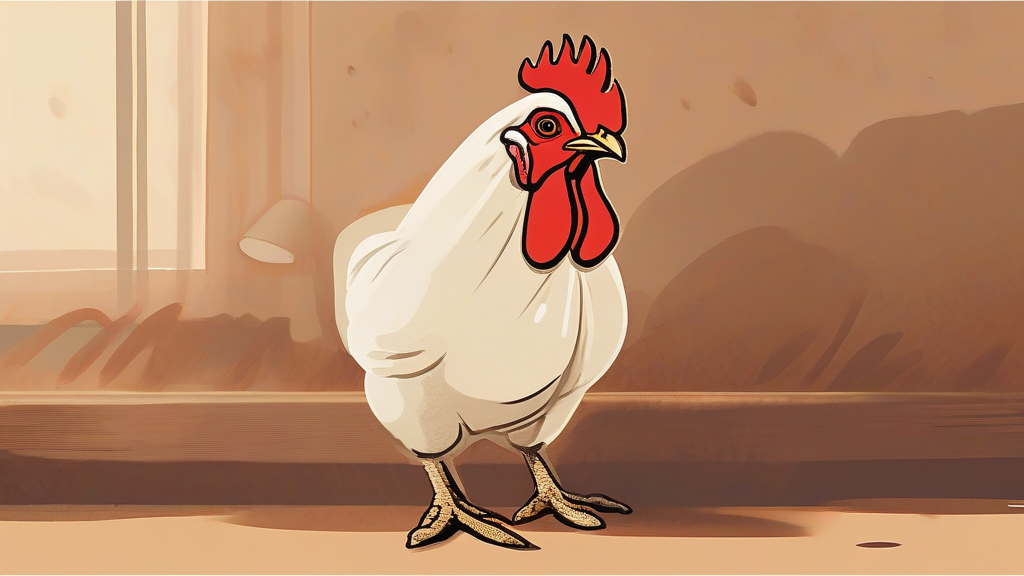
What does clucker mean?
A clucker is, at its most literal, a hen or other domestic fowl — a name drawn directly from the short, low clucking sound such birds characteristically make. The word belongs to a family of English terms formed from imitative bird noises, much like "cuckoo" or "chickadee," and it carries a warm, rustic flavor that suits farmyard talk and light-hearted prose more than formal writing. By extension, clucker has developed an informal figurative sense applied to people: a clucker is someone who fusses, dithers, or frets over trivial matters, or who behaves in a timid, foolish way. Used this way, the word is mildly teasing rather than cruel, and phrases like "you silly old clucker" convey affectionate exasperation more often than genuine insult. Because of its onomatopoeic origin and its double life as both bird and person, clucker is a charming example of how English turns sound into meaning — and how animal names come to describe human foibles.
A hen or domestic fowl, especially one that clucks.
"The cluckers pecked at scattered grain beneath the coop."
Chiefly rural, folksy, or humorous register.
Informal: a foolish, timid, or fussy person; a ditherer.
"Don't be such a clucker — just ask her out."
Mildly derogatory but often affectionate; typically modified as "old clucker" or "silly clucker."
Regular plural; used for multiple hens or, informally, multiple foolish or fussy people.
"Half a dozen cluckers came running the moment she shook the feed bucket."
Calling someone a "clucker" is a polite way of saying they're a bit of a chicken — literally and figuratively.
Reviewed by Deb Chak, Editor. AI-assisted content curated by RJS Tech Solutions LLP.
Etymology of clucker
Clucker is an agent noun formed from the verb "cluck," an onomatopoeic word imitating the short guttural sound made by hens. The verb cluck arose in English through imitative formation, with related forms appearing in Middle English, and the derived noun clucker simply denotes the thing that clucks. It shares its imitative root with similar click-and-clack formations across Germanic languages, which recur throughout English in words like click, clack, and clock.
How clucker is actually used
The literal sense (a hen) is chiefly rural, folksy, or humorous. The figurative sense is informal and mildly derogatory but usually affectionate rather than harsh, often softened with modifiers like "old" or "silly." It is not used in formal writing.
Easily confused with clucker
"Cluck" is the short clicking sound itself (or the act of making it), while "clucker" is a noun for a creature or person that clucks.
A "clunker" is something old, broken, or of poor quality (especially a car), whereas a "clucker" is a chicken or a foolish person.