What does columbaria mean?
Columbaria is the plural of columbarium, a word for a building, room, or freestanding structure containing rows of recessed niches designed to hold urns of cremated remains. The term carries a distinctly formal register, appearing mainly in discussions of cemeteries, churches, crematoria, and archaeology. Its origin is vividly literal: the Latin columbarium derives from columba, meaning dove or pigeon, so the original columbaria were dovecotes — and when Romans built walls of small niches for burial urns, the resemblance to nesting boxes for pigeons gave the funerary sense its name. Today, as cremation has become increasingly common, columbaria have returned to prominence in modern memorial parks and churchyards, offering families a permanent, dignified place of visitation. Knowing the word allows precise reference to this growing feature of contemporary burial practice, and its plural form signals a classical, educated style of usage.
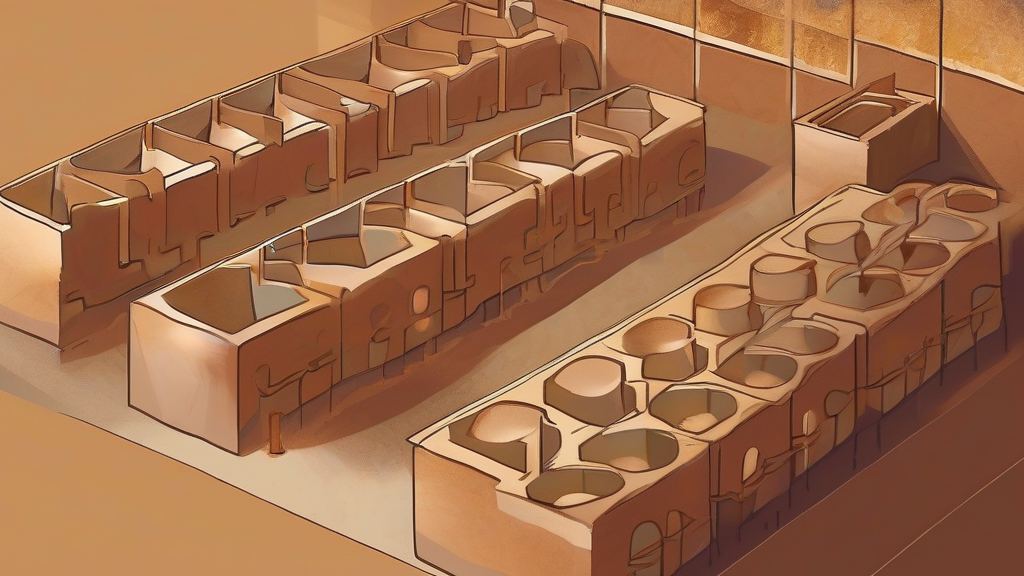
Structures consisting of rows of niches for storing urns containing the ashes of the dead.
"The cathedral's columbaria were expanded to accommodate the growing number of cremations."
Strictly the plural of columbarium; use with plural verbs.
(Historical) In ancient Rome, subterranean or freestanding sepulchral chambers whose walls contained niches for cinerary urns.
"The great columbaria near Rome could hold thousands of urns."
Encountered chiefly in archaeological and classical literature.
As an already-plural Latin form, columbaria takes plural agreement; it should not be made further plural (e.g., avoid 'columbarias').
"Several columbaria stand in the shaded garden behind the chapel."
In ancient Rome, 'columbaria' first meant dovecotes — pigeon houses — before it became the name for walls of niches that hold the dead, because the rows of urn niches looked like nesting pigeons.
Reviewed by Deb Chak, Editor. AI-assisted content curated by RJS Tech Solutions LLP.
Etymology of columbaria
Columbaria comes from Latin columbarium, itself derived from columba ('dove'), originally denoting a dovecote. The Romans applied the same word to tombs lined with small niches for ash urns, likening them to pigeonholes in a dovecote; the funerary sense entered English in the classical-revival era, with columbarium attested from around the late 17th century. Cognates sharing the columba root include columbine and columbary.
Related word forms
How columbaria is actually used
Formal and largely confined to architectural, funerary, archaeological, and ecclesiastical contexts. The anglicized plural 'columbariums' is also accepted, but 'columbaria' is preferred in scholarly writing.
Easily confused with columbaria
A columbarium is the singular structure, while columbaria is its Latin-style plural form referring to multiple such structures.