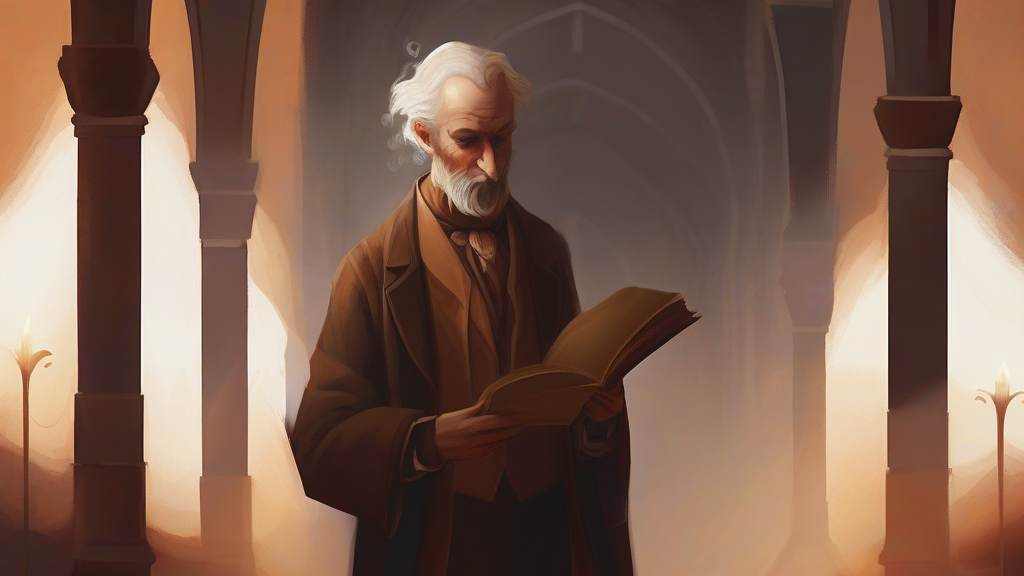
What does conjuror mean?
A conjuror is a performer skilled in the art of magic tricks, illusions, and sleight of hand, entertaining audiences by making objects appear, vanish, or transform in seemingly impossible ways. The word derives ultimately from the Latin 'conjurare', meaning 'to swear together', which evolved through Old French into English 'conjure' — originally referring to solemn oaths and later to the invocation of spirits. By the seventeenth century, the term had come to describe both those who claimed supernatural powers and, increasingly, entertainers whose apparent magic was acknowledged as skillful deception. Today the theatrical sense prevails: a conjuror is what most people would simply call a magician, working with cards, coins, doves, and misdirection. The spelling 'conjuror' is chiefly British, while American English favours 'conjurer'. The word carries connotations of showmanship, mystery, and dexterity, and remains firmly associated with live entertainment rather than genuine occult practice.
An entertainer who performs magic tricks and illusions, typically using sleight of hand and misdirection.
"A skilled conjuror can make a coin disappear inches from your eyes."
Chiefly British spelling; American English prefers 'conjurer'.
(Historical) A person who practises magic or summons spirits, especially one regarded as having supernatural powers.
"Medieval texts describe the conjuror drawing circles on the floor to call up spirits."
This older sense survives mostly in historical, literary, and folkloric writing.
The standard plural adds '-s'; British spelling keeps the '-or' ending, while American texts usually use the 'conjurer/conjurers' form.
"Street conjurors have entertained crowds in Covent Garden for generations."
The word 'conjuror' traces back to Latin 'com' (together) and 'jurare' (to swear) — originally meaning someone who swears an oath alongside others, before it became the stage magician we know today.
Reviewed by Deb Chak, Editor. AI-assisted content curated by RJS Tech Solutions LLP.
Etymology of conjuror
The word 'conjuror' comes from 'conjure', which entered Middle English from Old French 'conjurer', itself derived from Latin 'conjurare' — literally 'to swear together', formed from 'com-' ('with, together') and 'jurare' ('to swear'). In its earliest English uses, a conjuror was someone who invoked or summoned spirits by incantation, reflecting the oath-bound nature of magical ritual. Over time, particularly from around the seventeenth century onward, the term shifted toward describing performers who produced apparently magical effects for entertainment, a sense now dominant. Cognates sharing the same Latin root include 'conjunction' and related words built on 'com-' plus verbs of joining or swearing.
How conjuror is actually used
The spelling 'conjuror' with an '-or' ending is chiefly British; 'conjurer' with '-er' predominates in American English. In modern usage the theatrical sense (stage magician) dominates almost completely, while the older sense of one who summons spirits survives mainly in historical, literary, or folkloric contexts.
Easily confused with conjuror
'Conjurer' is the standard American spelling, while 'conjuror' is the traditional British spelling; the two words mean the same thing and differ only in spelling convention.