What does cornflour mean?
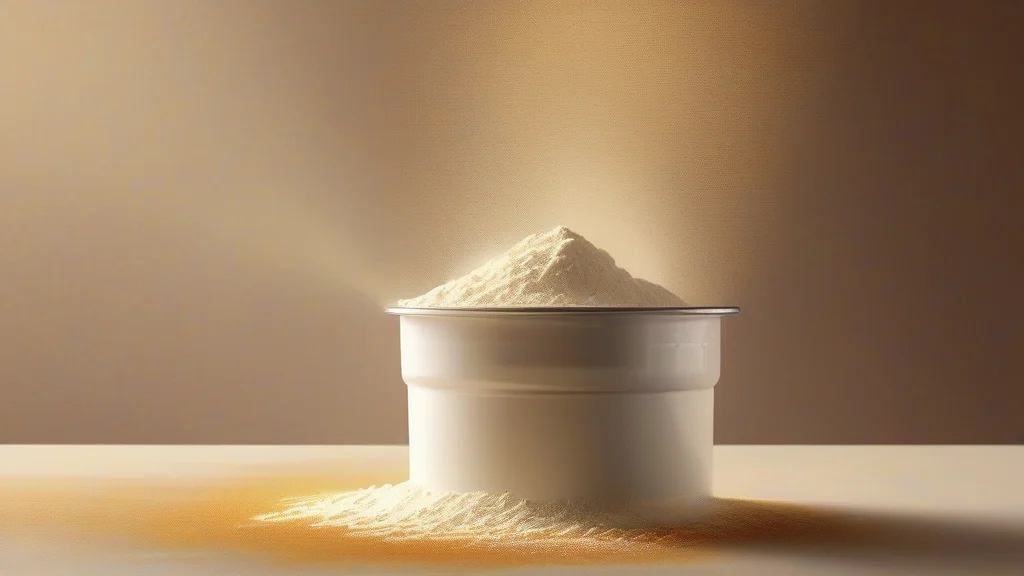
Cornflour is a fine, powdery white substance extracted from the starchy heart of maize kernels. Prized for its neutral flavour and almost pure starch content, it is chiefly used to thicken sauces, gravies, soups, and custards: a small amount whisked with cold water and added to hot liquid transforms it into a glossy, smooth consistency. It also lends crispness to fried foods and lightness to baked goods, and mixed with water alone it produces 'oobleck', a famously strange fluid that behaves as both solid and liquid. The word is standard in British English, where it refers to what Americans call cornstarch, though in some American contexts 'corn flour' instead denotes finely ground whole corn. This regional divergence makes it one of the more quietly confusing ingredients on any pantry shelf.
nounA fine white powder made from maize (corn) starch, used primarily as a thickening agent in sauces, soups, and desserts. In American English the identical substance is called cornstarch.
- A fine white starch powder derived from maize, used as a thickener in cooking and baking.
- In American usage, sometimes a synonym for finely ground whole corn flour.
"Whisk a teaspoon of cornflour into the cream to thicken the custard without lumps."
"Dust the chicken lightly in cornflour before frying for an extra-crisp coating."
"She stirred a cornflour paste into the simmering fruit to set the tart filling."
Rarely pluralized; cornflour is normally treated as uncountable, though 'cornflours' may occasionally appear referring to multiple varieties or brands.
"The shop stocks several cornflours, including organic and gluten-free options."
The same white powder that thickens your gravy also makes oobleck — mix it with water and it turns solid under pressure, then flows like liquid when you let go.
Reviewed by Deb Chak, Editor. AI-assisted content curated by RJS Tech Solutions LLP.
Etymology of cornflour
Cornflour is a transparent compound of 'corn' and 'flour'. 'Corn' descends from Old English 'corn', meaning a small hard seed or grain, cognate with German 'Korn' and related to 'kernel'; it shifted in North America to mean maize specifically. 'Flour' comes from Old French, ultimately from Latin 'flos' ('flower'), the finest 'flower' or best part of milled meal being so named — making 'flour' and 'flower' doublets. The product itself, refined maize starch, became widespread in the nineteenth century as industrial milling advanced.
How cornflour is actually used
Primarily British English; American speakers say cornstarch for the same product. It is an uncountable noun in cooking contexts. Because it can mean different products in different regions, international recipes should be checked carefully.
Easily confused with cornflour
Cornmeal is coarsely ground dried corn with a gritty texture used for polenta and cornbread, whereas cornflour is a finely milled pure starch used for thickening.
In parts of the US, 'corn flour' can refer to finely ground whole corn, a yellow product quite different from British cornflour, which is pure starch.