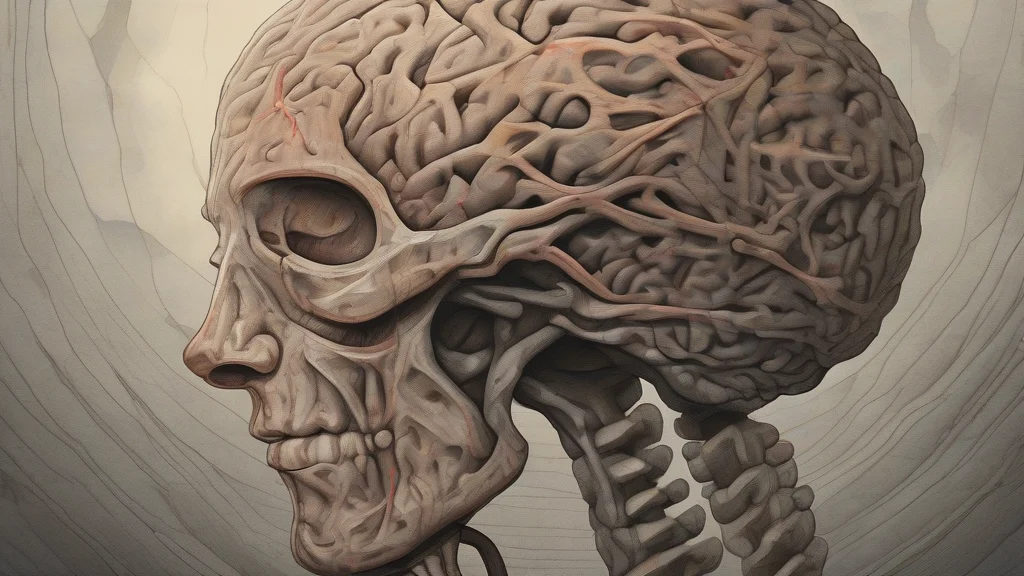
What does cortices mean?
Cortices is the plural form of cortex, a word borrowed directly from Latin meaning bark or rind. In modern usage, it refers to the outer layers of organs or structures, and it appears most frequently in medicine and neuroscience. The best-known examples are the cerebral cortices — the deeply folded sheets of gray matter that cover each hemisphere of the brain and handle perception, language, memory, and decision-making. But the term applies equally to other anatomy: the kidneys have renal cortices, the adrenal glands have adrenal cortices that produce vital hormones, and botanists use it for the outer tissue of roots and stems. Because it is a technical term, cortices belongs chiefly to scientific writing, clinical reports, and serious journalism rather than casual conversation. Its Latin plural ending (-ices) marks it as learned vocabulary, though an anglicized plural, cortexes, occasionally surfaces in popular contexts. Understanding cortices offers a small window into how anatomists describe the layered architecture of living things.
noun (plural)Cortices is the plural of cortex, denoting the outer layer or region of an organ or structure, especially the cerebral cortex — the folded outer layer of gray matter of the brain — or the outer tissue of organs such as the kidneys and adrenal glands.
- The plural of cortex: the outer layer of an organ or structure, most commonly referring to the cerebral cortexes of the brain.
- The plural of cortex in botany: the outer tissue region of a stem or root, between the epidermis and the vascular tissue.
"The MRI revealed subtle thinning in the frontal cortices of both hemispheres."
"Comparative studies showed that the auditory cortices were enlarged in musicians."
"Under the microscope, the renal cortices appeared normal, with no signs of scarring."
Cortices is already the standard plural of cortex (from the Latin -ex/-ices pattern). A less common anglicized plural is 'cortexes'. Do not write 'cortices' as a singular.
"The scans compared the thickness of the motor cortices across all participants."
Your brain's cortices are so densely folded that if flattened out, they'd cover roughly the size of a large dinner napkin — about 2.5 square feet crammed into your skull.
Reviewed by Deb Chak, Editor. AI-assisted content curated by RJS Tech Solutions LLP.
Etymology of cortices
Cortices derives from cortex, the Latin word for bark or rind, which was applied figuratively in anatomy from the Renaissance onward to describe outer layers of organs, much as bark sheathes a tree trunk. Latin cortex is believed to be related to the Indo-European root behind words such as cork and wicker, reflecting a sense of woven or peeled material. As anatomical terminology became systematized, English retained the classical plural cortices alongside the later anglicized form cortexes. Related adjectives such as cortical and subcortical grew out of the same anatomical tradition.
Related word forms
How cortices is actually used
Cortices is a formal, scientific term used almost exclusively in medical, neurological, and biological contexts; in everyday speech people rarely need it. The anglicized plural 'cortexes' also exists and appears in some popular science writing, but 'cortices' is the standard form in professional literature. It is always treated as a plural noun and never takes a singular verb agreement.
Easily confused with cortices
Corpuscles are small cells or particles (such as red blood corpuscles), whereas cortices are outer layers of organs or structures.
Cortisone is a steroid hormone produced by the adrenal cortex; cortices are simply the plural of cortex, the outer layer itself.