
What does cowbane mean?
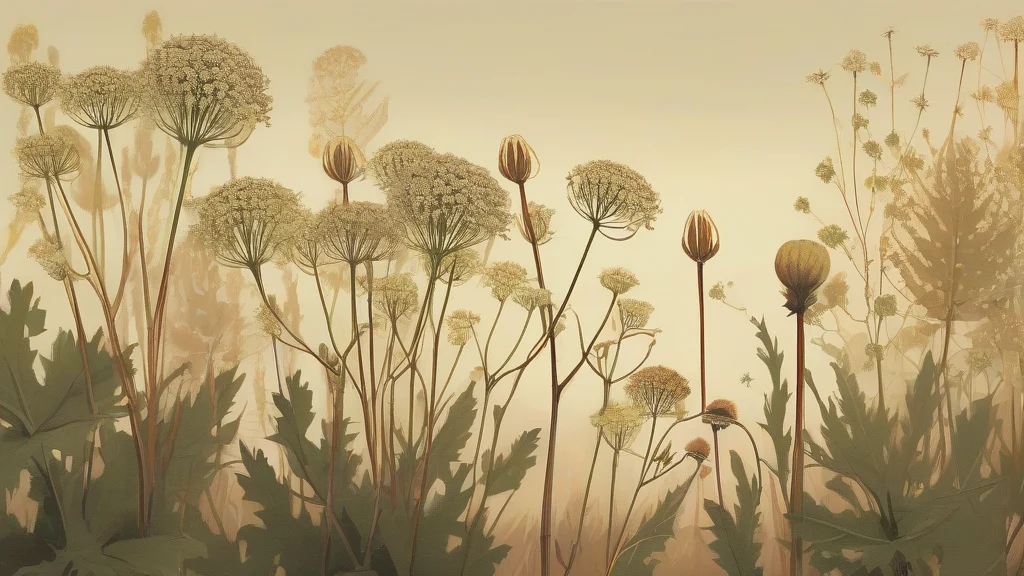
Cowbane is the common name for poisonous wetland plants of the genus Cicuta, particularly Cicuta virosa, also called great water-hemlock. The plant is recognizable by its divided leaves, clusters of small white flowers, and poisonous roots, although identification should not be attempted from this description alone. Every part can contain cicutoxin, a potent toxin that may cause seizures, organ failure, and death after ingestion. Cowbane has therefore been associated with both contaminated pasture and accidental cases of human poisoning. The word is used chiefly in botanical, agricultural, toxicological, and historical writing rather than in everyday conversation. Despite its calm, pastoral sound, it names one of the more dangerous members of the parsley family. Accurately distinguishing cowbane from other white-flowered plants is important, but no wild plant should be eaten on the basis of a written description.
nounAny of several highly poisonous plants of the genus Cicuta, especially the great water-hemlock, Cicuta virosa. The plants contain cicutoxin and can cause severe or fatal poisoning when ingested.
- Any of several poisonous plants of the genus Cicuta, especially Cicuta virosa, a wetland plant native to much of Europe and Asia.
"The roots of the cowbane were dug up by the riverbank."
"Cattle should not be allowed to graze in a field where cowbane is growing."
"Poison-control specialists identified the plant as cowbane after several people became ill."
Usually treated as a mass noun when referring to the plant generally; the plural is used when referring to multiple individual plants or species.
"Several cowbanes were found along the riverbank."
Cowbane sounds pastoral, but Cicuta virosa contains cicutoxin and can cause fatal poisoning.
Reviewed by Deb Chak, Editor. AI-assisted content curated by RJS Tech Solutions LLP.
Where does cowbane come from?
Cowbane developed in English as a compound of cow and bane. Bane comes from Old English bana, meaning “murderer, slayer, or poison,” and is inherited from Germanic. It is cognate with Old Norse ban and Old High German bana, both associated with killing or destruction; the English compound cow-bane is attested from the early modern period.
How cowbane is actually used
The term is chiefly botanical and historical. Its precise application varies somewhat by region, with common names sometimes covering more than one species of Cicuta.
Easily confused with cowbane
Cowbane generally refers to plants in the genus Cicuta, whereas hemlock usually refers to Conium maculatum, a different highly poisonous member of the parsley family.