What does cresting mean?
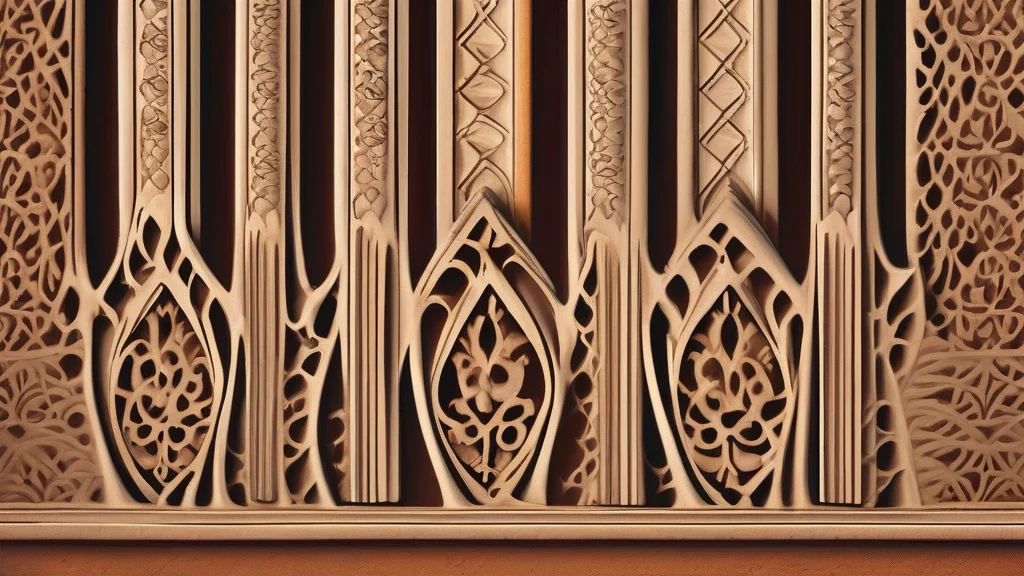
Cresting is chiefly an architectural term for the ornamental ridge or finish that runs along the top of a roof, wall, parapet, screen, or piece of furniture. Typically made of wrought or cast iron, carved wood, or stone, it may take pierced, scrollwork, or geometric patterns, giving a building or object a decorative crowning edge. The word appears frequently in discussions of Victorian conservatories, bandstands, church screens, and antique bedsteads, where cresting is often a defining feature of the style and a focal point for restoration work. A secondary, less common sense refers to the act of reaching or forming the top of something, as in a wave cresting before it breaks. Derived from 'crest', with roots in Latin 'crista' meaning tuft or plume, the term carries connotations of elegance and completion — the finishing touch at the highest point of a structure.
An ornamental ridge or finish along the top of a wall, roof, screen, or furniture, usually made of iron, wood, or stone.
"The iron cresting above the porch was added during the Victorian renovation."
Most commonly used in architectural history, conservation, and antiques contexts.
The act or state of reaching the top of a slope, wave, or curve.
"The boat rose sharply upon cresting the swell."
Rarely pluralized; when referring to multiple separate ornamental pieces, 'cresting' is often treated as uncountable.
"Several cast-iron crestings were salvaged from demolished terraces."
Reviewed by Deb Chak, Editor. AI-assisted content curated by RJS Tech Solutions LLP.
Etymology of cresting
Cresting derives from 'crest', which entered Middle English from Old French 'creste', ultimately from Latin 'crista', meaning a tuft, plume, or comb such as that on a rooster's head. As architecture evolved through the medieval and Renaissance periods, the term came to denote the ornamental ridging crowning walls, roofs, and screens. Cognates sharing the Latin root include 'cristate' (bearing a crest) and, more distantly, 'crestfallen'.
Related word forms
How cresting is actually used
Primarily an architectural and decorative-arts term; in general prose it most often appears in descriptions of historic buildings, garden structures, and antique furniture.