What does danseuse mean?
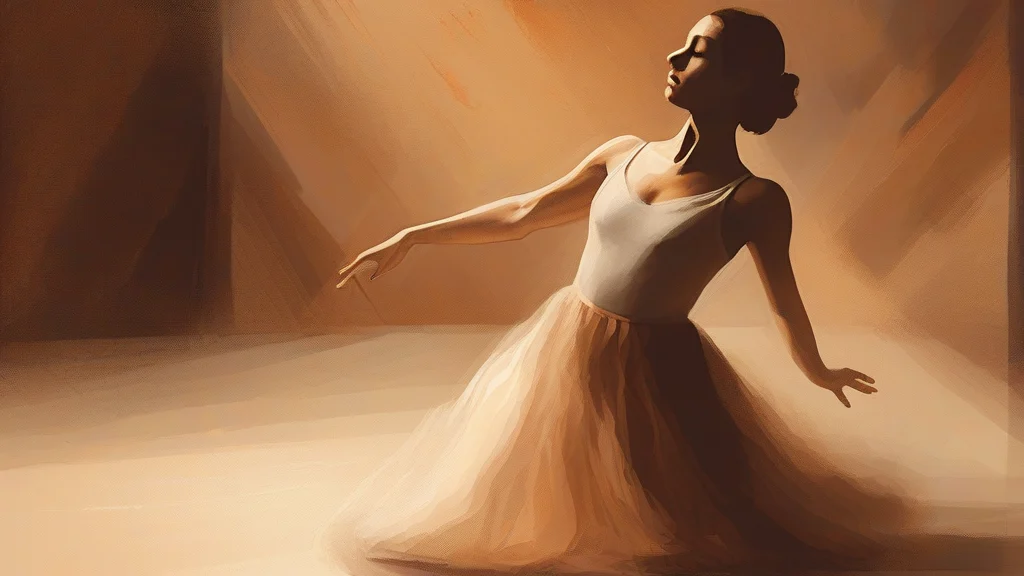
A danseuse is a female dancer, most often one trained in ballet or performing on the professional stage. Borrowed directly from French into English in the nineteenth century, the word retains a distinctly elegant, slightly formal flavor that plain 'dancer' lacks, which is why it tends to appear in theatrical criticism, historical writing about ballet, and literary prose rather than everyday conversation. It is exclusively feminine: a male dancer of comparable standing is called a danseur. Common pairings include 'principal danseuse' and 'celebrated danseuse', reflecting its use to single out a performer of note. While the term carries connotations of grace and artistry, it can also evoke the romanticized world of the nineteenth-century stage. For general purposes, 'ballerina' or 'ballet dancer' may be substituted, but 'danseuse' remains the choice when a touch of continental refinement is wanted.
nounA female professional dancer, especially a ballet dancer. The term is a French loanword used in English primarily in theatrical and ballet contexts.
- A female professional or ballet dancer, especially one performing in classical or theatrical dance.
"The celebrated danseuse took her final bow to thunderous applause at Covent Garden."
"After years of training, she joined the corps de ballet as the company's youngest danseuse."
"The memoir recounts the glittering career of a danseuse who captivated Parisian audiences in the 1920s."
The plural follows standard English conventions by adding -s; pronunciation adds a /z/ sound.
"The gala brought together danseuses from every major European company."
Borrowed straight from the French, 'danseuse' keeps its feminine elegance intact — while her male counterpart is simply the danseur.
Reviewed by Deb Chak, Editor. AI-assisted content curated by RJS Tech Solutions LLP.
Etymology of danseuse
The English word 'danseuse' was borrowed in the nineteenth century directly from French, where it is the feminine form of 'danseur', meaning 'dancer'. Both derive from the French verb 'danser' ('to dance'), whose ultimate origins are uncertain but likely trace back through Old French to a Germanic source. Its twin, 'danseur', entered English around the same period, and the pair preserve their French gender distinction in modern usage.
How danseuse is actually used
Somewhat formal or literary in register, carrying an air of elegance and theatrical tradition; in everyday speech 'dancer' or 'ballerina' is more common. The word is always feminine — the masculine equivalent is 'danseur'.
Easily confused with danseuse
A danseur is a male dancer, whereas a danseuse is specifically a female dancer; the feminine form ends in -euse.