What does darn mean?
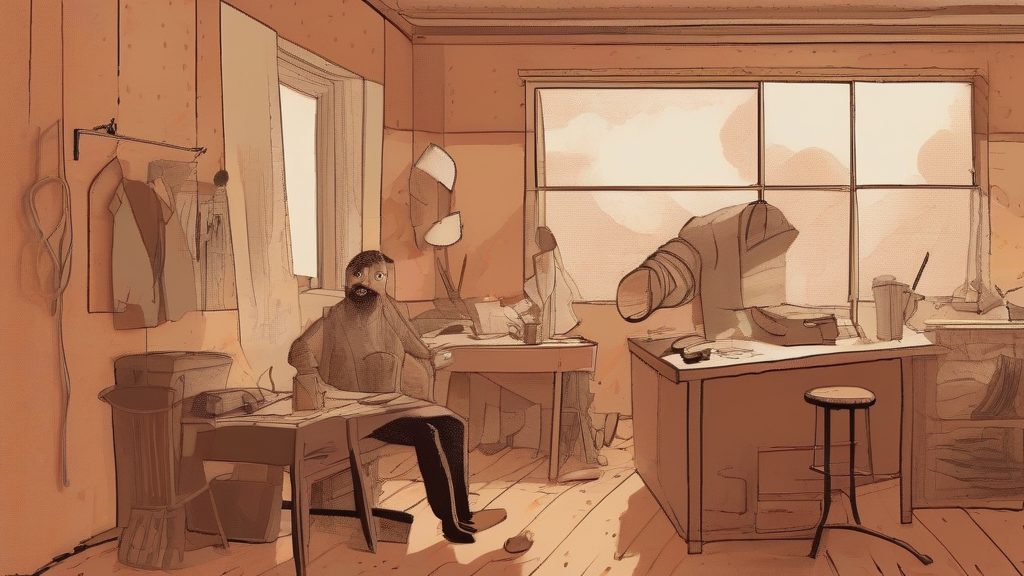
Darn is a verb meaning to mend a hole or worn spot in knitted or woven fabric by interweaving thread with a needle, most often applied to socks, sweaters, and other garments subject to wear. The technique involves weaving strands of yarn across the gap to rebuild the fabric's structure rather than simply patching over it. Beyond its literal meaning, darn also functions as a mild euphemism for 'damn,' softening what would otherwise be profanity — as in 'Darn it!' or 'a darn good meal' — making it acceptable in polite company and around children. The word carries a homely, old-fashioned connotation tied to thrift and self-sufficiency, evoking an era when clothing was repaired rather than replaced. Though less commonly practiced today, darning remains popular among knitting and craft communities, and the figurative exclamation remains firmly embedded in everyday informal speech.
To mend a hole or worn area in knitted fabric by weaving thread across it with a needle.
"She darned the hole in her son's knee-high socks before winter set in."
Used as a mild substitute for 'damn' to express annoyance or emphasis.
"I'll be darned if I can find my reading glasses anywhere."
A section of fabric that has been mended by darning; also, the act of darning itself.
"There was a neat darn visible on the toe of the sock."
Rarely used in plural form; typically appears only in discussions of multiple mended areas.
"The vintage sweater bore several careful darns along its sleeves."
Before you toss that holey sock, remember: darning is an ancient craft so practical that entire needles are named after it.
Reviewed by Deb Chak, Editor. AI-assisted content curated by RJS Tech Solutions LLP.
Etymology of darn
The verb 'darn' first appeared in English in the early 17th century, likely borrowed from French 'darner' (to mend), which itself may derive from an Old French or Breton source. The euphemistic use as a substitute for 'damn' arose separately in the late 18th century in America, exploiting the similar sound of the two words. It has no true cognates outside Romance-language borrowing.
Related word forms
How darn is actually used
The textile sense is somewhat old-fashioned but still used among knitters and craft enthusiasts. As an expletive substitute, 'darn' is considered very mild and family-friendly, common in informal American English. The noun sense ('a darn') is rare but attested.
Easily confused with darn
'Damn' is a genuine curse word expressing anger or condemnation, while 'darn' is a milder, politer substitute — except when referring to mending fabric.