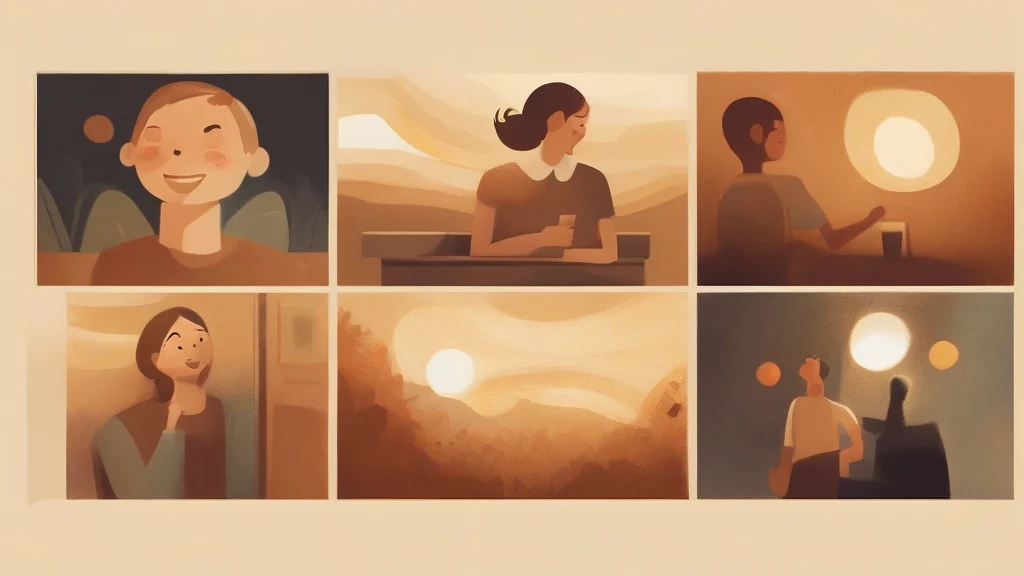
What does delighted mean?
"Delighted" is an adjective describing a state of keen pleasure or gratification, typically felt in response to good news, a kind gesture, or a pleasant surprise. It functions chiefly as the past participle of the verb "delight" ("the children were delighted by the fireworks") and appears frequently in both everyday speech and formal writing. Its register leans slightly formal or courteous — one might write "I am delighted to accept your invitation" — yet it remains natural in casual conversation. Speakers often intensify it with words like "absolutely" or "truly". The word conveys warmth and enthusiasm without excess, occupying a useful middle ground between mild contentment and outright euphoria. Derived ultimately from Latin roots meaning "to entice or charm", it shares ancestry with words such as "delicious" and "delectable", reinforcing its sense of being pleasantly captivated.
adjectiveFeeling or showing great pleasure and satisfaction. It is most commonly the past participle of the verb "delight" used adjectivally.
- Feeling great pleasure or satisfaction; very pleased.
- Characterized by or causing delight (less common, attributive use).
"She was delighted by the news of her promotion."
"We were delighted to hear that the wedding went smoothly."
"He gave a delighted laugh at the magician's final trick."
The word traces back to a Latin verb meaning 'to allure or entice' — so when you're delighted, you've quite literally been charmed.
Reviewed by Deb Chak, Editor. AI-assisted content curated by RJS Tech Solutions LLP.
Etymology of delighted
"Delighted" derives from the verb "delight", which entered Middle English from Old French "delitier", itself from Latin "delectare", meaning "to charm or please greatly". "Delectare" was a frequentative form built on "delicere", literally "to lure away or entice". English also borrowed directly from the Latin stem in "delicious" and "delectable", making these close cousins of "delighted".
Related word forms
How delighted is actually used
"Delighted" carries a warmer, somewhat more formal tone than simple "happy" or "pleased", making it a favorite in polite correspondence ("I would be delighted to attend"). Intensifiers such as "absolutely", "truly", or "more than" are commonly used with it; "very delighted" sounds awkward to many speakers.
Easily confused with delighted
"Delighted" describes the person feeling pleasure, while "delightful" describes something that causes pleasure.