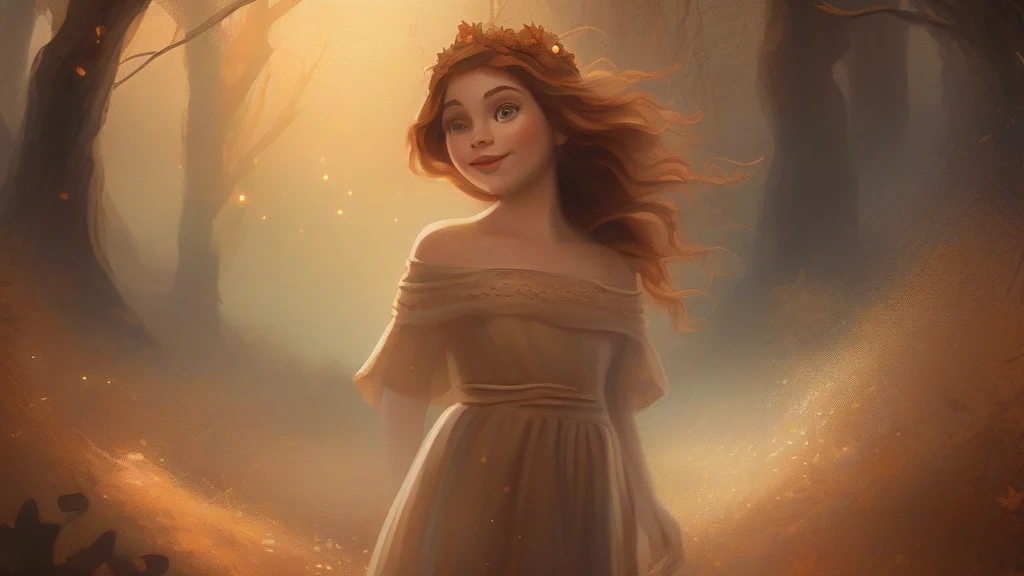
What does enchanted mean?
"Enchanted" is primarily an adjective describing a state of intense delight or fascination, as when someone is charmed by a piece of music, a beautiful landscape, or another person's presence. It also carries its older, literal sense of being under a magical spell, which remains common in fairy tales and fantasy, giving rise to familiar phrases like "enchanted forest." The word derives from the Old French "enchanter," itself from the Latin "incantare," meaning to chant a spell upon, so its figurative use preserves the image of being captivated as if by magic. In contemporary English it usually appears in constructions such as "enchanted by" or "enchanted with," and it connotes a warm, wonder-struck pleasure rather than mere approval. Its counterpart, "disenchanted," marks the loss of that delight, making the pair useful for describing both falling under and recovering from a spell of admiration.
Feeling or showing great delight; charmed or captivated.
"He was enchanted by her wit and warmth."
Typically followed by "by" or "with" when describing a person's reaction.
Under the influence of a magic spell; bewitched or possessing magical qualities.
"The prince wandered into an enchanted wood where nothing was quite as it seemed."
Common mainly in fairy tales, fantasy literature, and evocative place names.
Past tense and past participle of "enchant": to fill with delight, or to place under a spell.
"The storyteller enchanted the entire audience with her tales."
Every time you say you're "enchanted," you're literally claiming someone has sung a magic spell over you — it comes from the Latin for chanting.
Reviewed by Deb Chak, Editor. AI-assisted content curated by RJS Tech Solutions LLP.
Etymology of enchanted
"Enchanted" comes from the Old French verb "enchanter," meaning to cast a spell on, which derives from the Latin "incantare" — literally "to chant upon" — formed from "in-" (upon) plus "cantare" (to sing, a frequentative of "canere"). The word entered Middle English in the medieval period, originally carrying its literal sense of being placed under a magic spell through spoken charms. Over time the figurative sense of being delighted or captivated became dominant, though the magical meaning persists in fairy-tale contexts. English cognates sharing the same Latin root include "chant," "incantation," and "enchantment."
Related word forms
How enchanted is actually used
In modern usage, "enchanted" most often appears figuratively to express delight or fascination, frequently in the construction "enchanted by/with." The literal magical sense survives mainly in fairy tales, fantasy fiction, and place names such as "enchanted forest." It is slightly more literary or elevated than plain "delighted."
Easily confused with enchanted
"Enchanted" describes someone who feels delight or something under a spell, while "enchanting" describes something that causes that delight.
"Disenchanted" means freed from illusion or disappointed with something once admired — nearly the opposite of "enchanted."