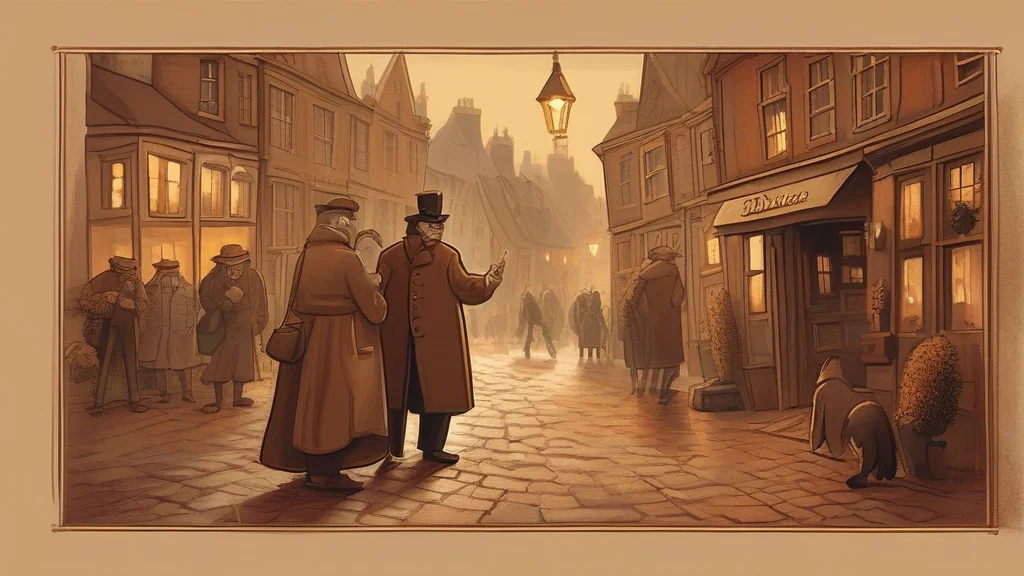
What does dickering mean?
Dickering is the act of bargaining or haggling over the terms of a deal, most often its price. The word typically suggests negotiation that is drawn out, fussy, or petty rather than efficient and good-humored, which gives it a faintly negative flavor: one might praise skillful bargaining but complain about endless dickering. It is especially common in American English, where it frequently turns up in discussions of used-car sales, market transactions, and political dealmaking. As a verbal noun formed from the verb dicker, it fits naturally into phrases such as "after much dickering" or "no dickering." The term traces back through an older sense connected to trading by lots of ten, reflecting its origins in commerce. For writers, it offers a vivid alternative to neutral words like negotiation precisely because it implies that the process was more trouble than it should have been.
nounThe action or practice of bargaining or haggling over terms, especially in a petty or prolonged way.
- The act of bargaining or haggling over price or terms, often implying pettiness or time-wasting.
- The exchange or trade itself resulting from such bargaining.
"After hours of dickering, the two dealers finally agreed on a price for the used car."
"The contract stalled amid months of dickering between the two companies' lawyers."
"There would be no dickering at the market stall — prices were fixed and clearly displayed."
Dicker once meant a set of ten animal hides — traders literally bargained by the 'dicker' before the word came to mean the bargaining itself.
Reviewed by Deb Chak, Editor. AI-assisted content curated by RJS Tech Solutions LLP.
Etymology of dickering
Dickering derives from the verb dicker, which appeared in American English in the early nineteenth century meaning to barter or trade. Dicker itself goes back to an older noun meaning a lot or set of ten, historically applied to bundles of ten animal hides offered in trade, probably ultimately from Latin decuria, a group of ten, from decem (ten). The sense shifted from the goods traded to the trading itself, and then to the bargaining that accompanies it. Its Latin relatives include decimal, decimate, and dime.
How dickering is actually used
Dickering carries a mildly disapproving connotation, suggesting tedious, small-minded negotiation rather than dignified bargaining. It is common in informal American English, particularly around buying cars or settling deals, but appears in formal writing too when criticizing political or commercial wrangling.
Easily confused with dickering
Bickering means arguing or quarreling pettily about grievances, while dickering specifically means bargaining over the terms or price of a deal.
Snickering means laughing in a half-suppressed, mocking way, whereas dickering refers to negotiating or haggling.