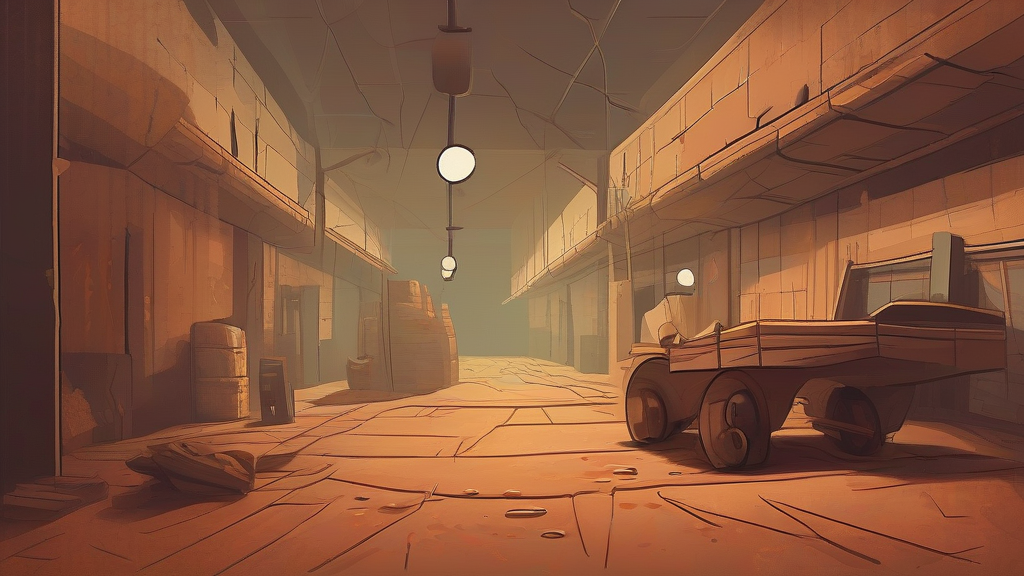
What does drabbing mean?
'Drabbing' is the noun form associated with the adjective 'drab', meaning dull, colourless, or lacking liveliness. It denotes the action or process of making something drab — draining it of colour, interest, or vitality — and, less commonly, the resulting state of dullness itself. A writer might speak of the drabbing effect of endless rain on a city's streets, or of bureaucratic routine imposing a slow drabbing on creative work. The word is relatively rare compared with its relatives: 'drab' itself is common, while 'drabness' is the usual noun for the quality of being dull. 'Drabbing' tends to appear in literary or deliberately descriptive prose, where its gerund-like form emphasises drabness as an ongoing process rather than a fixed condition. It should not be confused with 'drubbing', which means a beating or decisive defeat — a trap set by their single-letter difference.
The action or process of making something dull, colourless, or uninteresting.
"The drabbing of the old quarter began when its colourful market stalls were replaced with uniform shopfronts."
Rare outside literary usage; 'drabness' is the more usual noun form.
Present participle and gerund of the verb 'drab': to make dull or colourless.
"The overcast sky was drabbing what should have been a festive afternoon."
Swap one letter and you go from a lifeless grey to a sound thrashing — 'drabbing' and 'drubbing' are near-twins that couldn't be more different.
Reviewed by Deb Chak, Editor. AI-assisted content curated by RJS Tech Solutions LLP.
Etymology of drabbing
'Drabbing' derives from the English adjective 'drab', meaning dull or colourless, which has been in use since at least the sixteenth century. The ultimate origin of 'drab' is uncertain, though it originally referred to a fabric of undyed, yellowish-brown wool before extending to the colour and then to anything dull or cheerless. The noun 'drabbing' was formed by regular derivation from the verb 'drab' (to make drab), following ordinary English patterns of word formation.
Related word forms
How drabbing is actually used
'Drabbing' is uncommon in everyday speech; it appears mainly in literary or descriptive contexts where the verb 'drab' (to make drab) is used. Most writers prefer 'drabness' for the noun describing a state, reserving 'drabbing' for the action itself.
Easily confused with drabbing
A 'drubbing' is a sound beating or crushing defeat, whereas 'drabbing' relates to dullness or drabness; the words differ by only one letter but are unrelated in meaning.