
What does draymen mean?
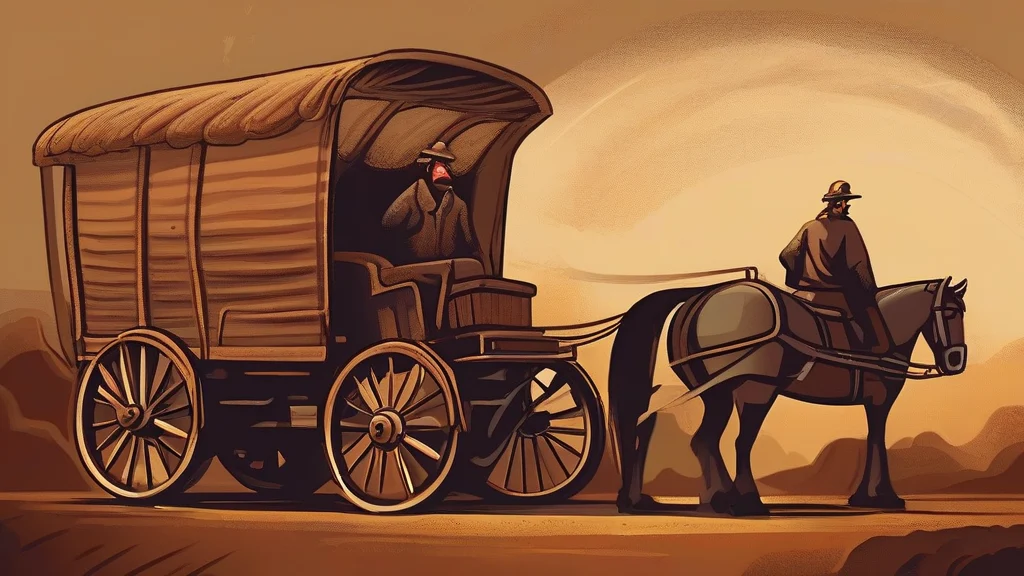
Draymen are the plural form of drayman, a worker who drove a dray—a low, typically horse-drawn wagon used to haul bulky or heavy goods. The term belongs to the vocabulary of freight transport, warehousing, and urban commerce, and it now often appears in historical writing about cities and industries before motorized trucking. In British and North American English, draymen served local businesses, railway depots, docks, and warehouses, moving goods between producers, transporters, and customers. Because draymen is specifically a plural, a single worker is a drayman, while a group is described as draymen. The word is more specific than a generic carrier or hauler because it identifies someone associated with a particular type of freight cart. Its enduring interest lies in the period when teams of horses, carefully managed routes, and skilled drivers formed an essential part of a city's commercial life.
nounDraymen are men who drive dray wagons, especially the low, often horse-drawn carts traditionally used to transport freight.
- Men who drive dray wagons, particularly freight carts drawn by horses or mules.
"The draymen collected empty crates from the warehouses and returned them to the railway depot."
"Local draymen delivered sacks of flour to the market each morning."
"The archive contains accounts of draymen negotiating the congested streets around the docks."
This is the standard plural of drayman; the singular form is drayman.
"Several draymen were hired to transport the goods."
Before trucks dominated the streets, draymen were the traffic controllers of cities, guiding heavy horse-drawn freight carts through crowded roads.
Reviewed by Deb Chak, Editor. AI-assisted content curated by RJS Tech Solutions LLP.
Etymology of draymen
Draymen is the plural of drayman, an English occupational compound formed from dray and man. The word dray denotes a low freight cart or wagon and comes through Middle English from Old English dreg, an old term associated with a cart or wheelbarrow, with related origins in Germanic vocabulary. The occupational compound developed within the English horse-drawn freight system before being carried into later descriptions of transport and commerce.
Related word forms
How draymen is actually used
This is chiefly an occupational and historical term. It is especially associated with freight transport, warehouses, docks, and urban commerce before motorized trucking became dominant; the singular is drayman.
Easily confused with draymen
A drayman is one man who drives a dray wagon, whereas draymen is the standard plural for more than one.