
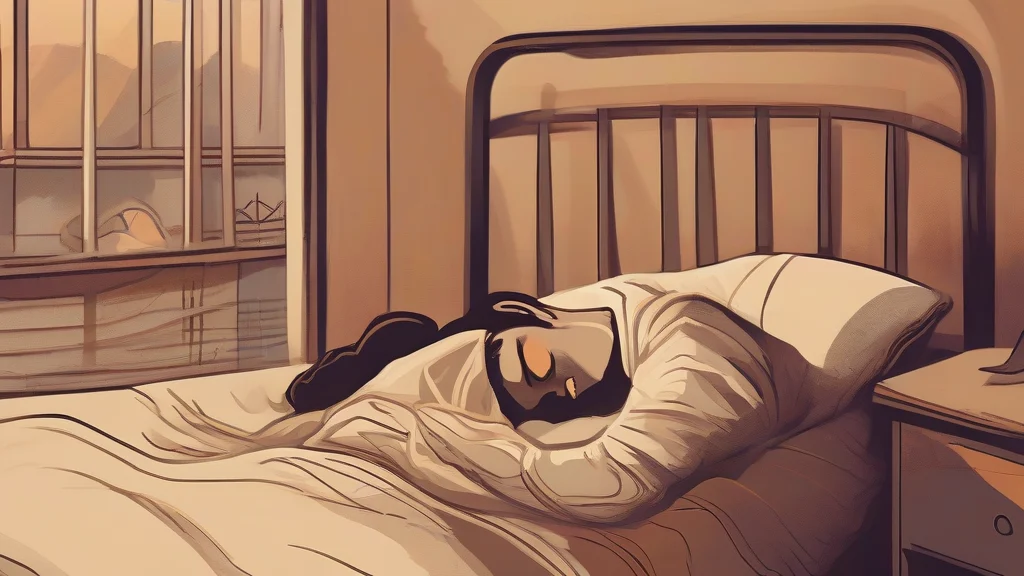
What does drowsier mean?
Drowsier is the comparative form of the adjective drowsy, meaning more inclined to fall asleep or more overcome by sleepiness. It describes people and animals whose alertness is fading — after a large meal, during a long drive, or late at night — and it can also describe conditions or things that promote sleepiness, such as a stuffy, warm room, a monotonous drone, or the side effects of certain medications. The word carries a gentle, somewhat informal connotation; unlike terms such as lethargic or torpid, which suggest sluggishness as a state or symptom, drowsier simply points toward the pull of sleep. Grammatically it behaves like any short comparative: it pairs naturally with "than" in comparisons ("she felt drowsier than her brother") and can intensify with "far," "much," or "even." Its superlative is drowsiest, its adverb is drowsily, and its noun form is drowsiness, making it part of a small, well-established family of everyday English words about sleep.
More inclined to sleep; sleepier than another person, time, or thing (comparative of drowsy).
"He grew drowsier with every page he turned."
Often used with "than" in explicit comparisons; intensified by "far," "much," or "even."
Having a greater tendency to induce sleepiness; more soporific.
"The afternoon sun made the quiet room seem drowsier still."
Drowsy traces back over a thousand years to an Old English word meaning 'to become sluggish or sink' — so every time you feel drowsier after lunch, you're speaking a word your Anglo-Saxon ancestors would recognize.
Reviewed by Deb Chak, Editor. AI-assisted content curated by RJS Tech Solutions LLP.
Etymology of drowsier
Drowsier derives from drowsy, which comes from the Middle English verb drousen, itself descending from Old English drūsian, meaning to become sluggish, droop, or sink. The word has been in continuous use since the early medieval period, making it one of the older native English terms for sleepiness rather than a borrowing from Latin or French. Related Germanic forms survive in other languages, reflecting a common root sense of sinking into heaviness or inactivity.
Related word forms
How drowsier is actually used
Informal to neutral register; common in everyday speech and writing. As a comparative adjective, it typically takes "than" when making explicit comparisons. It applies both to people feeling sleepy and, by extension, to conditions or things that cause sleepiness.
Easily confused with drowsier
"Dazed" means stunned, bewildered, or disoriented (often after a blow or shock), while "drowsier" means more sleepy or inclined toward sleep.