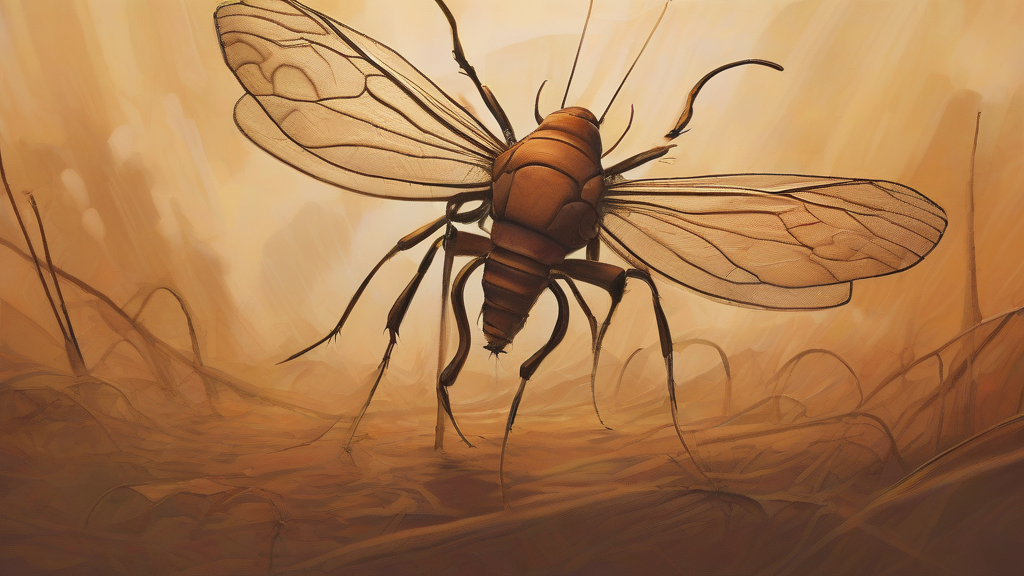
What does ecdyses mean?
Ecdyses is the plural of ecdysis, a term from zoology that denotes the repeated acts of molting — the periodic shedding of the outer skin or cuticle by certain animals. Insects, spiders, crabs, and other arthropods must undergo ecdyses throughout their lives because their rigid exoskeletons cannot expand; each molt allows growth, though the newly exposed animal is temporarily soft and vulnerable. Snakes and lizards likewise shed their skins in discrete ecdyses. The word carries no emotional connotation and belongs firmly to scientific registers: field researchers count larval ecdyses, note their timing, and use them as markers of developmental stage. Its singular, ecdysis, derives from the Greek ekdyein, meaning to strip off. Though unlikely to surface in casual conversation, ecdyses is indispensable for precise discussion of arthropod development, and recognizing it signals familiarity with biological literature on growth, metamorphosis, and regeneration.
nounEcdyses is the plural of ecdysis, denoting the acts or instances of shedding the outer skin or cuticle, as in insects, crustaceans, snakes, and other animals that molt.
- Instances or episodes of molting — the shedding of the cuticle or outer skin by an insect, crustacean, reptile, or other animal.
- (By extension, rare) The shed skins themselves, regarded collectively after multiple molting events.
"The entomologist recorded several ecdyses in the colony before the larvae reached adulthood."
"The tarantula completed five ecdyses before reaching its adult size."
"Careful keepers track each of a snake's ecdyses to monitor its health and growth rate."
Ecdyses is itself a plural noun; the singular is 'ecdysis.' Both are Greek-derived plurals/singulars, so English '-es' plurals do not apply.
"Several incomplete ecdyses can leave fragments of old cuticle attached to a crab's limbs."
A crab's every growth spurt ends in a full-body escape act — and biologists log each one as a separate 'ecdysis,' plural 'ecdyses.'
Reviewed by Deb Chak, Editor. AI-assisted content curated by RJS Tech Solutions LLP.
Etymology of ecdyses
Ecdyses comes from the Greek ekdysis, 'a stripping off,' formed from ek- ('out of') and dyein ('to enter, put on,' hence 'to strip'). It entered English scientific usage in the nineteenth century as biologists formalized terminology for arthropod molting. Related derivatives include ecdysial and ecdysone, the hormone that regulates molting in insects and crustaceans.
Related word forms
How ecdyses is actually used
Strictly technical vocabulary, confined to zoology, entomology, and herpetology; it would sound out of place in everyday speech. Note that it is a Greek-style plural: the singular is 'ecdysis.'
Easily confused with ecdyses
'Ecstasies' means overwhelming feelings of joy or rapture, whereas 'ecdyses' refers to instances of an animal shedding its skin.
'Ecdysis' is the singular form naming the process of molting itself, while 'ecdyses' is its plural referring to multiple such occurrences.