
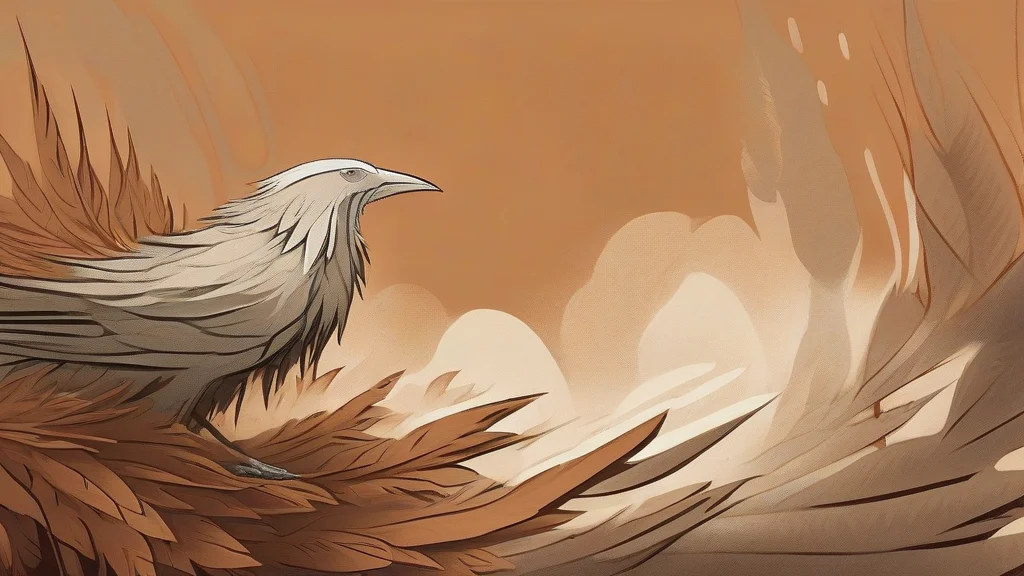
What does moult mean?
“Moult” means to shed and replace hair, feathers, skin, or another outer layer, and it can also name the process of doing so. The word is especially associated with birds, which often moult in a seasonal cycle: old feathers are lost and replaced with new ones. The process can affect appearance, but it is also biologically important, helping animals maintain protection, insulation, or the ability to fly. In British English, “moult” is the usual spelling; American English more often uses “molt.” The term is fairly technical but remains understandable in general contexts, particularly in discussions of birds, reptiles, and other animals.
To shed and replace old hair, feathers, skin, or an outer layer, especially during growth or seasonal renewal.
"The eagle moults its feathers over several weeks."
In American English, “molt” is the usual spelling.
The process by which an animal sheds and replaces hair, feathers, skin, or another outer layer.
"The bird entered a period of moult after the breeding season."
The plural is used for separate instances of the process, especially for different animals or species.
"The moults of different bird species occur at different times of year."
A bird’s dramatic seasonal shed is called a moult, and the new feathers that replace the old can look brighter and more functional.
Reviewed by Deb Chak, Editor. AI-assisted content curated by RJS Tech Solutions LLP.
Where does moult come from?
The word comes through Middle English from Old French molt, ultimately from Latin mutare, meaning “to change.” Its development reflects the broader sense of replacing or changing an old outer layer. The modern word retains a particularly strong association with birds, although it can describe the shedding of hair, skin, or other material in other animals.
Related word forms
How moult is actually used
The verb is common in British English, while American English generally uses “molt.” The noun form is especially associated with birds shedding feathers, though it can also describe the replacement of hair or an outer layer in other animals.
Easily confused with moult
“Moult” is the standard British spelling, while “molt” is the standard US spelling; they have the same meaning.