What does elater mean?
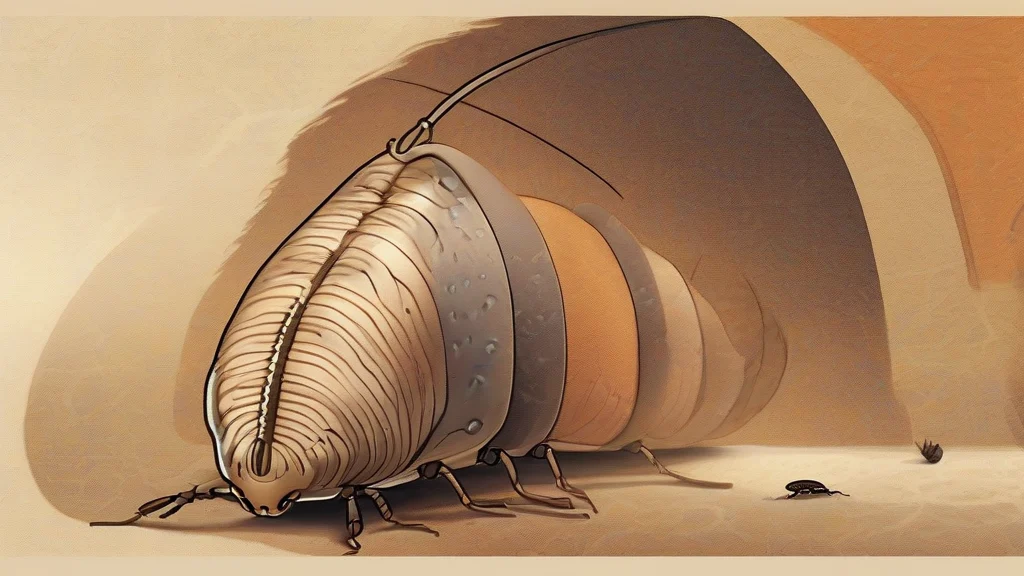
An elater is something characterized by elasticity or spring-like action. In everyday and historical scientific usage, the word denotes an elastic substance or force — anything that springs back when bent or released. In modern technical contexts it has two specialized meanings. In entomology, an elater is a click beetle, a member of the family Elateridae, named for the remarkable hinge mechanism between thorax and abdomen that lets the insect snap into the air with an audible click when overturned. In botany, an elater is an elongated cell with spiral wall thickening found in the capsules of liverworts and horsetails; as these cells twist and straighten with changes in humidity, they help fling spores away from the parent plant. Derived from Greek roots meaning "to drive," the word carries a sense of propulsion and resilience, though today it survives mainly within scientific literature rather than general conversation.
An elastic force, substance, or device; something that drives or springs.
"The toy relied on a simple elater to propel the dart across the room."
This general sense appears mainly in older or technical writing.
Any beetle of the family Elateridae; a click beetle.
"Turned on its back, the elater snapped upright with an audible click."
In botany, an elongated spirally thickened cell that assists spore dispersal in liverworts and horsetails.
"The drying elaters coiled violently, scattering spores from the capsule."
Standard plural; used freely across all senses, especially in botanical descriptions where elaters occur in groups.
"The capsule was packed with coiled elaters awaiting the right moment to release their spores."
The click beetle was so central to early entomology that scientists named the entire family after this one word — and it literally launches itself with a built-in spring.
Reviewed by Deb Chak, Editor. AI-assisted content curated by RJS Tech Solutions LLP.
Etymology of elater
Elater comes from the Greek elatēr, meaning "driver" or "one who drives," derived from elaunein, "to drive, beat out, or set in motion." The word entered English through New Latin in scientific nomenclature during the seventeenth century, initially applied to things exhibiting elastic or propulsive force. It shares this Greek root with elastic, which passed through the same verb before reaching English via French and Late Latin.
How elater is actually used
"Elater" is chiefly a technical term today, encountered in entomology, botany, and older scientific writing on elasticity; outside these contexts it will be unfamiliar to most readers.
Easily confused with elater
Elastic describes a material or quality that returns to its original shape, while elater names either an elastic agent or device, or specific organisms (click beetles and spore-dispersal cells).