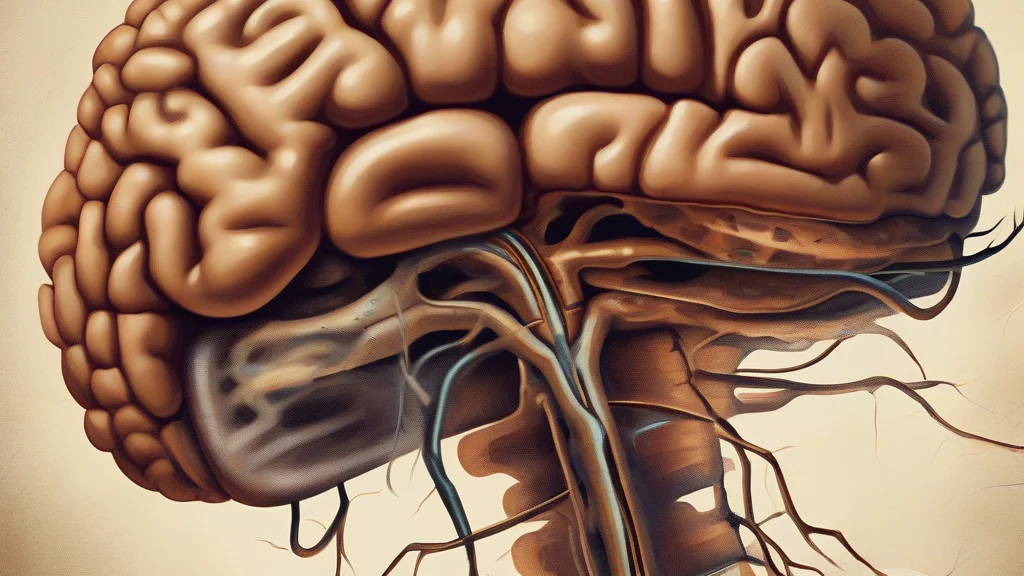
What does encephalopathy mean?
Encephalopathy is a medical term for any disorder in which the brain's normal function is impaired by an underlying cause, rather than by a single localized injury such as a tumor or stroke. It is an umbrella term: the specific condition is usually identified by its trigger, as in hepatic encephalopathy (brain dysfunction due to liver failure), hypoxic encephalopathy (damage from oxygen deprivation), toxic encephalopathy (caused by poisons or drugs), or bovine spongiform encephalopathy, the prion disease known as mad cow disease. Symptoms commonly include confusion, memory problems, personality changes, and reduced alertness, and they may be reversible if the underlying cause is treated promptly. The word comes from Greek roots meaning 'diseased brain'. Because it signals broad cerebral dysfunction without pinpointing one mechanism, encephalopathy is most often encountered in hospital settings, specialist literature, and public-health reporting, where precision about the affected organ matters more than everyday readability.
nounAny disease or disorder affecting the structure or function of the brain, especially a diffuse condition in which brain function is altered by an underlying cause such as toxins, infection, metabolic disturbance, or lack of oxygen.
- A general medical term for any disease or abnormal condition affecting the brain, particularly diffuse dysfunction caused by toxins, infection, metabolic imbalance, oxygen deprivation, or genetic factors rather than a single localized lesion.
"The patient's chronic liver failure led to hepatic encephalopathy, causing confusion and disorientation."
"Doctors diagnosed hepatic encephalopathy after the patient with advanced cirrhosis became increasingly confused and drowsy."
"The outbreak of bovine spongiform encephalopathy devastated the British cattle industry in the 1990s."
The plural is used mainly when referring to multiple distinct diseases of this class collectively, e.g. transmissible spongiform encephalopathies.
"Transmissible spongiform encephalopathies include Creutzfeldt–Jakob disease in humans."
Bovine spongiform encephalopathy — better known as mad cow disease — made this tongue-twister of a word front-page news around the world in the 1990s.
Reviewed by Deb Chak, Editor. AI-assisted content curated by RJS Tech Solutions LLP.
Etymology of encephalopathy
Encephalopathy derives from Greek: 'enkephalos' meaning 'brain' (literally 'in the head', from 'en-' 'in' plus 'kephale' 'head') combined with '-patheia' from 'pathos', meaning suffering or disease. The compound was formed on classical roots but entered modern scientific usage through New Latin medical terminology, becoming standard in English during the nineteenth century as neurology and pathology developed their technical vocabularies. It shares its two roots with many other learned terms, including encephalogram, encephalon, neuropathy, and homeopathy.
Related word forms
How encephalopathy is actually used
Encephalopathy is a formal clinical term used almost exclusively in medicine and health reporting; it rarely appears in casual conversation. It names a category of conditions rather than a specific diagnosis, so it is nearly always paired with a modifier identifying the cause — hepatic, hypoxic, toxic, metabolic, or spongiform. The plural 'encephalopathies' is used when discussing multiple distinct diseases of this type.
Easily confused with encephalopathy
Encephalitis is specifically inflammation of the brain tissue (usually from infection), whereas encephalopathy is any broader brain dysfunction that may occur without inflammation.