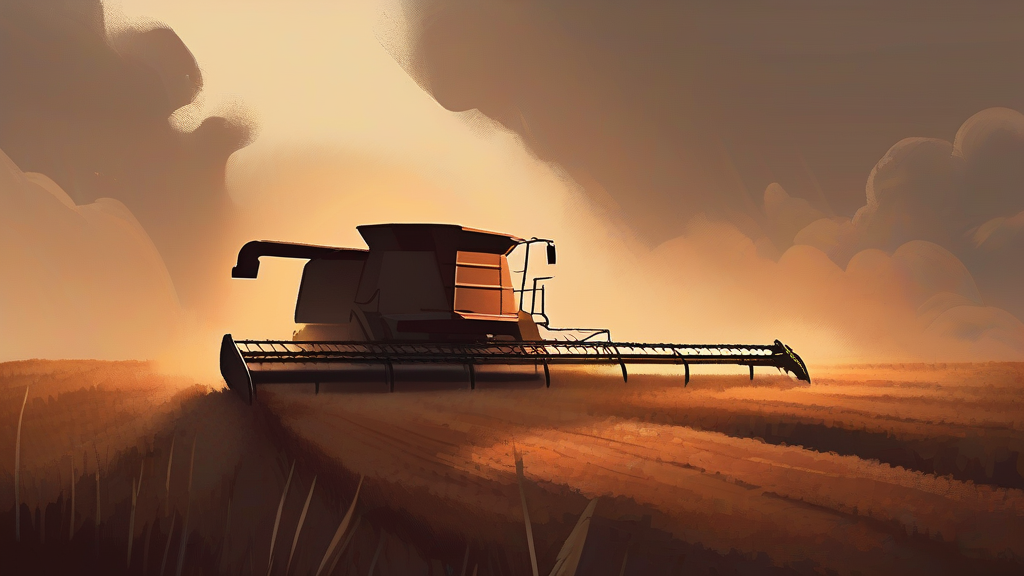
What does ensilaging mean?
Ensilaging is the agricultural process of preserving green fodder—typically grass, lucerne, or chopped maize—by compacting it in an airtight silo, where natural fermentation converts its sugars into lactic acid and produces silage. Unlike haymaking, which preserves grass by drying, ensilaging relies on anaerobic conditions: once oxygen is excluded, beneficial bacteria acidify the material, preventing spoilage and locking in nutrients for livestock to eat during the winter months. Success depends on careful timing of harvest, rapid filling, thorough compaction, and effective sealing against air. The word functions as the present participle and gerund of 'to ensilage' (or 'to ensile'), and it belongs firmly to technical farming language rather than everyday conversation, though it remains current in agronomy and livestock management worldwide. It captures one of agriculture's oldest forms of biotechnology—a controlled fermentation farmers have refined over more than a century.
The action or process of making silage; the storage of green fodder in a silo for preservation by fermentation.
"Ensilaging allows dairy farms to conserve surplus spring growth for winter feeding."
Used as a mass (uncountable) noun denoting the activity.
Present participle of ensilage: to convert green fodder into silage by fermenting it in a silo.
"They were ensilaging the second cut of grass when the machinery broke down."
Ensilaging turns fresh grass into winter feed not by drying it like hay but by letting it pickle itself through natural fermentation.
Reviewed by Deb Chak, Editor. AI-assisted content curated by RJS Tech Solutions LLP.
Etymology of ensilaging
Ensilaging derives from the verb 'to ensilage', formed in the nineteenth century from the noun 'ensilage', which English borrowed from French 'ensilage'. The French term combines the prefix 'en-' with 'silage', from 'silo', a word ultimately borrowed from Spanish 'silo', whose deeper origins are uncertain but may trace to Latin 'sirum' or a pre-Roman Iberian source. As mechanical silos spread across Europe and North America in the late nineteenth century, the verb and its participle 'ensilaging' entered standard agricultural vocabulary.
Related word forms
How ensilaging is actually used
A technical agricultural term used mainly in farming, veterinary, and agronomy contexts. The shorter variant 'ensiling' is more common in modern usage; 'ensilaging' appears frequently in older and British agricultural literature. Not used figuratively in general speech.
Easily confused with ensilaging
Ensconcing means settling comfortably or securely in place, while ensilaging refers specifically to storing fodder in a silo for fermentation.