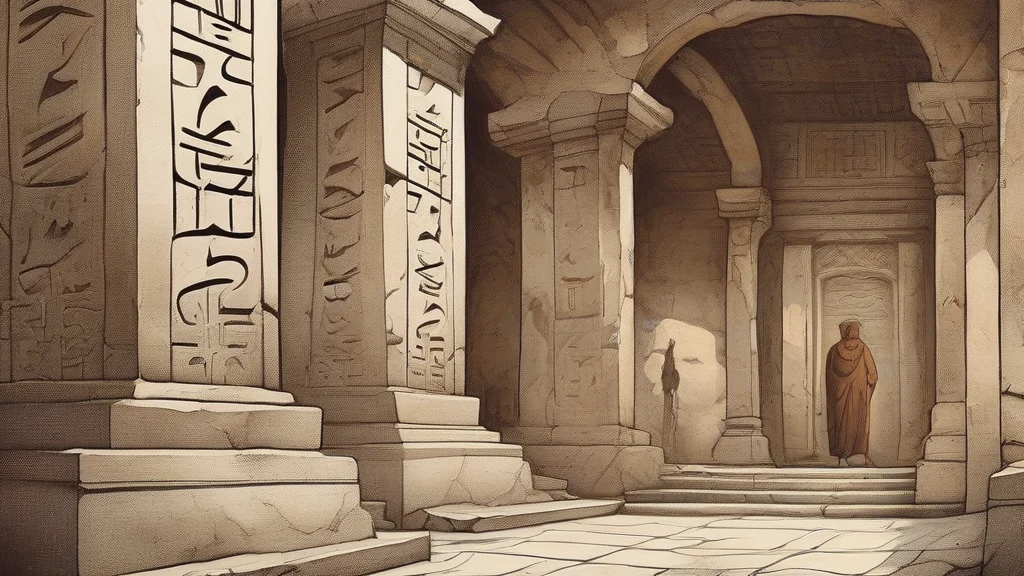
What does epigraphic mean?
Epigraphic is a formal adjective describing anything related to inscriptions — texts that have been carved, engraved, or otherwise permanently marked onto durable surfaces such as stone, metal, or pottery. It derives from the Greek roots epi- ('upon') and graphein ('to write'), literally meaning 'written upon', and connects directly to the scholarly discipline of epigraphy, the study and interpretation of such inscriptions. The word appears chiefly in archaeology, classical studies, biblical scholarship, and ancient history, where phrases like 'epigraphic evidence' or 'the epigraphic record' refer to information recovered from inscribed monuments, coins, boundary stones, and tombstones. Because inscriptions often survive when manuscripts do not, epigraphic sources are among the most valuable windows into ancient languages, laws, and daily life. The term carries a distinctly academic register and would seldom appear in casual speech, yet it names one of history's most important methods of preserving the written word.
adjectiveRelating to inscriptions, especially those carved or engraved on stone, metal, or other durable surfaces. Also used to describe the study or interpretation of such inscriptions.
- Relating to inscriptions carved or engraved on stone, metal, or other durable materials.
- Pertaining to the scholarly study (epigraphy) of ancient inscriptions.
"The museum's epigraphic collection includes Roman milestones and Greek funerary stelae."
"The Rosetta Stone remains one of the most studied objects in epigraphic scholarship."
"Her doctoral thesis examined the epigraphic conventions of Etruscan tomb markers."
Every word you know from ancient Rome survives because someone chiselled it into stone — and studying those chisel marks is called epigraphy, the science behind everything 'epigraphic'.
Reviewed by Deb Chak, Editor. AI-assisted content curated by RJS Tech Solutions LLP.
Etymology of epigraphic
Epigraphic comes from the Greek epigraphein, meaning 'to write upon' or 'to inscribe', formed from epi- ('upon') and graphein ('to write'). It passed into English through scholarly Latin usage during the seventeenth century, alongside its noun form epigraph. The same Greek root gives us related words such as epigram (a short inscription or witty saying), graphic, and photograph, all of which preserve the idea of writing or drawing. Its sibling discipline, epigraphy, developed as the formal name for the scientific study of inscriptions.
Related word forms
How epigraphic is actually used
A formal, academic term used almost exclusively in archaeology, classical studies, and history. It is rarely encountered in everyday conversation but is standard vocabulary in scholarly literature on antiquity.
Easily confused with epigraphic
Epigrammatic describes concise, witty writing in the style of an epigram, while epigraphic relates specifically to inscriptions carved on durable surfaces.