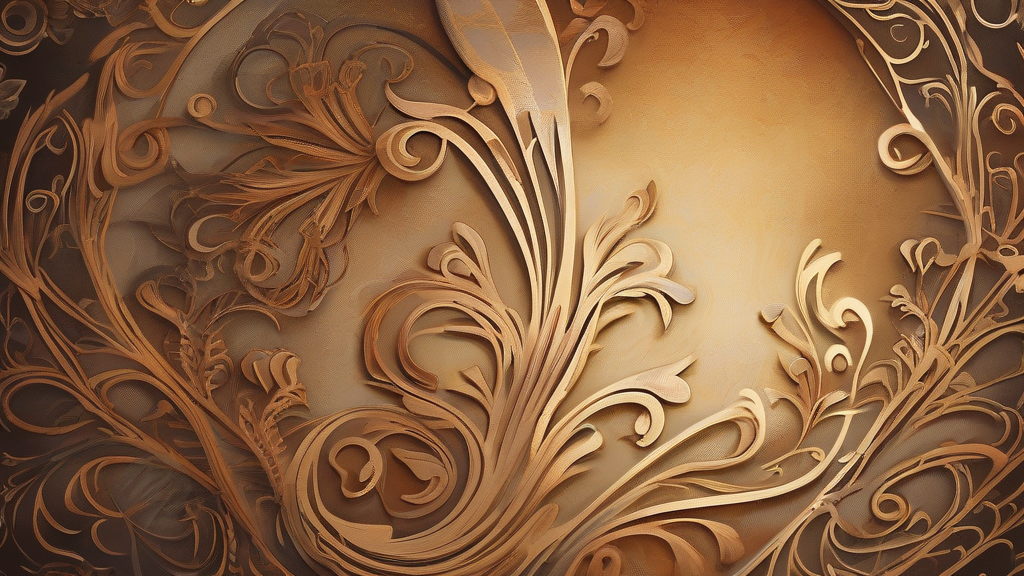
What does filagree mean?
Filagree, a variant spelling of filigree, refers to ornamental work created from fine wires of gold, silver, or other metals, twisted and soldered into delicate, lacelike openwork designs. Traditionally used in jewelry-making — rings, brooches, pendants — the technique produces pieces prized for their airy intricacy and craftsmanship. By extension, the word describes anything resembling such work: the tracery of frost on glass, ornate iron balconies, or elaborate decorative borders on manuscripts. Figuratively, it can characterize writing or speech that is overly ornate. The word entered English in the seventeenth century via French filigrane, from Italian filigrana, ultimately combining Latin filum ('thread') and granum ('grain') — a literal description of the jeweler's materials. Though understood everywhere, this spelling is less common than filigree, which remains the standard form. Filagree evokes elegance, precision, and old-world artistry wherever it appears.
nounFilagree is a variant spelling of filigree, referring to ornamental work of fine gold or silver wire formed into delicate openwork patterns, or any delicate, lacelike ornamental design.
- Delicate ornamental work made from fine twisted wire of gold or silver, often forming lacy openwork patterns.
- Any intricate, lacelike ornamentation resembling such wirework, as in architecture or design.
"The antique brooch was crafted from gold filagree shaped into intertwining vines and leaves."
"The pendant featured exquisitely wrought silver filagree that caught the light at every turn."
"Frost traced a kind of natural filagree across the windowpane overnight."
The plural is regular and typically refers to multiple pieces or instances of wirework ornamentation.
"The display case held silver filagrees from workshops across the Mediterranean."
The word literally means 'thread-grain' in its Latin roots — because jewelers once twisted fine wire and tiny metal grains into those dazzling lacy designs.
Reviewed by Deb Chak, Editor. AI-assisted content curated by RJS Tech Solutions LLP.
Etymology of filagree
Filagree came into English in the early seventeenth century through French filigrane, borrowed from Italian filigrana, which fuses Latin filum ('thread') and granum ('grain'). The compound literally names the jeweler's craft: twisting fine threads of precious metal and decorating them with tiny grains or beads. English spelling has varied historically between forms like filigrain, filligrain, filigree, and filagree, with filagree emerging as a recognized variant alongside the now-standard filigree. Its Latin root filum also gives us filament, while granum yields granule and grain.
How filagree is actually used
The spelling 'filagree' is an accepted but less common variant; 'filigree' is the preferred modern form in both British and American English. The word carries connotations of delicacy, refinement, and craftsmanship, and is often used figuratively for anything intricately ornamental.
Easily confused with filagree
Filagree is simply a less common variant spelling of the same word; filigree is the standard form.