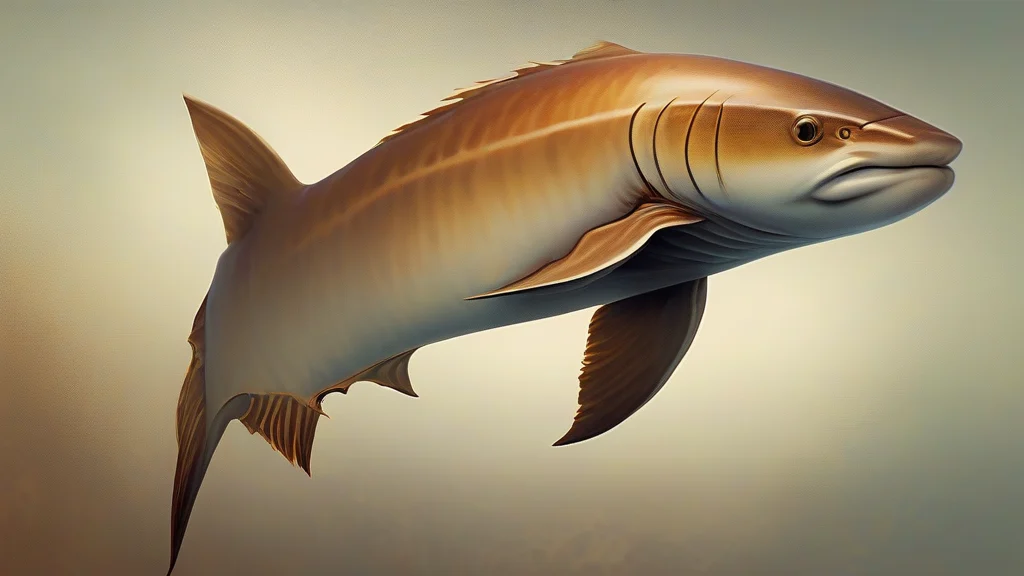
What does finless mean?
Finless is an adjective meaning lacking fins. It applies most often to animals — either species that naturally have no fins, such as the finless porpoise of Asian coastal waters and the Yangtze River, or individual creatures that have lost their fins through injury or human activity. In conservation writing, the word takes on a somber resonance: sharks caught for their fins and returned to the sea are left finless, a state in which they can no longer swim effectively and typically die. The word is formed simply by attaching the suffix '-less' to the noun 'fin', following the standard English pattern for expressing absence of something. It appears almost exclusively in attributive position, directly modifying a noun, and its usage is concentrated in scientific, naturalist, and environmental contexts rather than everyday conversation. Though narrow in scope, it is precise and useful wherever aquatic anatomy is described.
adjectiveLacking fins, especially as a natural characteristic of a species or as the result of injury or removal.
- Naturally or physically lacking fins, said of an animal or specimen.
"The finless porpoise navigates the murky Yangtze River using echolocation rather than sight."
"The finless porpoise is found in coastal waters of Asia and in China's Yangtze River."
"A shark that has been finned and returned to the water is left effectively finless, unable to swim properly."
The finless porpoise is one of the few cetaceans with no dorsal fin at all — earning it the nickname 'river pig' among Chinese fishermen.
Reviewed by Deb Chak, Editor. AI-assisted content curated by RJS Tech Solutions LLP.
Etymology of finless
Finless is a transparent English formation combining 'fin' with the suffix '-less', which denotes absence. The noun 'fin' derives from Old English 'finn', common to other Germanic languages, so the compound is Germanic in origin rather than Latinate. Its development follows the ordinary pattern of English suffixation, with no unusual historical shifts; related formations include 'finny', 'finback', and 'finfish'.
How finless is actually used
'Finless' is almost always used attributively before a noun, most commonly in zoological contexts such as 'finless porpoise'. It carries neutral descriptive tone rather than emotional connotation, though in conservation writing about shark finning it can acquire tragic overtones.
Easily confused with finless
Despite the shared opening letters, 'finless' means lacking fins, while 'finish' is a verb or noun referring to completing something or a surface quality.