What does frizzled mean?
Frizzled is chiefly used of food that has been fried until it turns crisp, browned, and curled at the edges — most classically bacon or salt pork cooked slowly so that it shrivels into brittle, flavorful ribbons. The term also extends to hair, where it describes strands that have tightened into small, unruly curls, whether by nature, humidity, or heat. In the kitchen the word suggests something appetizing; on the head it often implies a battle with frizz. Derived from the verb frizzle, which entered English in the early modern period and is generally traced to Old French friser, meaning to curl, frizzled belongs to a small family of curling words that includes frizz and frizzy. Though somewhat old-fashioned, it survives warmly in traditional recipes and evocative food writing, making it a useful word for describing both texture and temper.
Fried or singed until crisp, browned, and curled at the edges; having been subjected to such treatment.
"The ham was frizzled to a deep gold and served atop the greens."
Most often encountered in descriptions of bacon, salt pork, and other fatty cuts in traditional recipes.
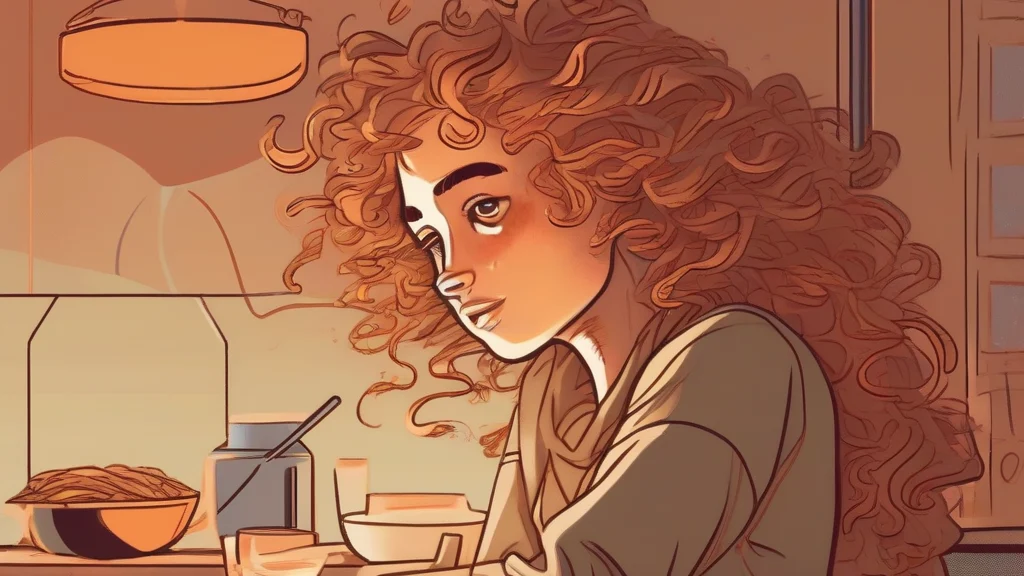
Formed into small, tight curls; frizzy in appearance.
"Her frizzled bangs would not lie flat no matter how she brushed them."
Before photography could capture it, 'frizzled' was how cooks described the sound and shape of bacon done right.
Reviewed by Deb Chak, Editor. AI-assisted content curated by RJS Tech Solutions LLP.
Etymology of frizzled
Frizzled derives from the verb frizzle, which appeared in English around the late sixteenth or early seventeenth century. Its origin is generally connected to Old French friser, meaning to curl or frizz, which also gave rise to related English terms such as frizz and the hairdressing term frisette. Over time the verb developed two main applications: frying food until its edges curl and crisp, and forming hair into tight curls, with the participle 'frizzled' serving both senses.
Related word forms
How frizzled is actually used
In cooking contexts, 'frizzled' carries an appetizing connotation of crispness and is common in descriptions of bacon, salt pork, and similar fats. When applied to hair, the word is more neutral to slightly negative, implying unruliness. The verb form is somewhat old-fashioned but persists in traditional British and American recipes.
Easily confused with frizzled
Sizzled describes the hissing sound of food cooking in fat, while frizzled refers to the crisping and curling of the food itself.
Drizzled means lightly poured with liquid such as oil or icing, whereas frizzled means fried or singed to a crisp curl.