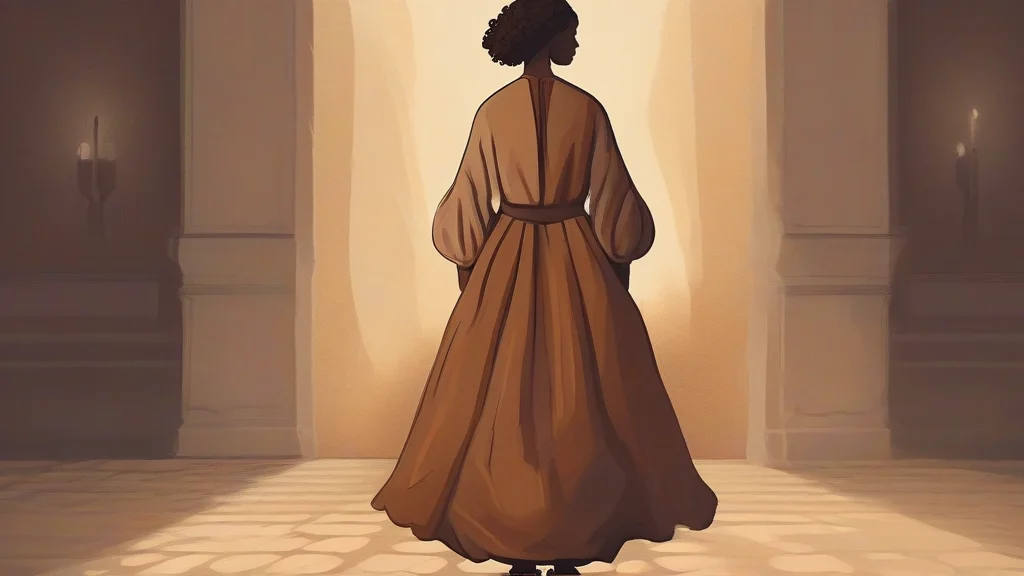
What does frock mean?
A frock is a word for a dress — most commonly a woman's or girl's dress — and it remains a familiar term in British English, where it carries a slightly old-fashioned, traditional charm that many find appealing. Historically, the word had a broader meaning: it also referred to a long, loose outer garment such as a monk's habit or a cleric's robe, a sense preserved in phrases like 'to unfrock,' meaning to strip a clergyman of his office. Today the dominant sense is simply 'dress,' and the term appears frequently in fashion writing and everyday conversation in the United Kingdom, often in pairings like 'summer frock.' In American usage, 'dress' has largely replaced it. For readers interested in the history of clothing and language alike, frock offers a neat example of how one word can narrow from describing a wide range of garments to a single, well-defined item of attire.
nounA frock is a dress, especially a woman's or girl's dress; historically, it also denoted a long gown or habit worn by monks and other clergy.
- A woman's or girl's dress.
- A monk's or cleric's long, loose gown or habit (now chiefly historical).
"She wore a pale-blue summer frock to the garden party."
"The bridesmaids wore matching floral frocks at the wedding."
"He put on his working frock before heading to the fields."
The standard plural; commonly used when referring to several dresses, e.g. in fashion or retail contexts.
"The boutique displayed a rack of pastel frocks."
In Britain, 'frock' survived as a term for women's dresses even after most of the English-speaking world settled on 'dress'.
Reviewed by Deb Chak, Editor. AI-assisted content curated by RJS Tech Solutions LLP.
Etymology of frock
Frock entered English from Old French 'froc', which denoted a monk's habit or long outer garment, with the Old French term itself likely borrowed from a Germanic source. Its earliest English uses described clerical and monastic robes, and by the medieval period it could refer to coarse outer garments generally. Over time the meaning narrowed, and by around the early seventeenth century it was being applied to women's dresses, the sense now dominant. Related terms such as 'frocked' and 'unfrocked' derive directly from it.
Related word forms
How frock is actually used
'Frock' remains in everyday use chiefly in British English, often with a slightly old-fashioned or charmingly traditional connotation; American usage strongly prefers 'dress'. The ecclesiastical sense appears mainly in historical contexts, including the phrase 'unfrocked' for a cleric deprived of office.
Easily confused with frock
A smock is a loose protective overgarment or embroidered shirt-like garment, whereas a frock refers to a dress.