
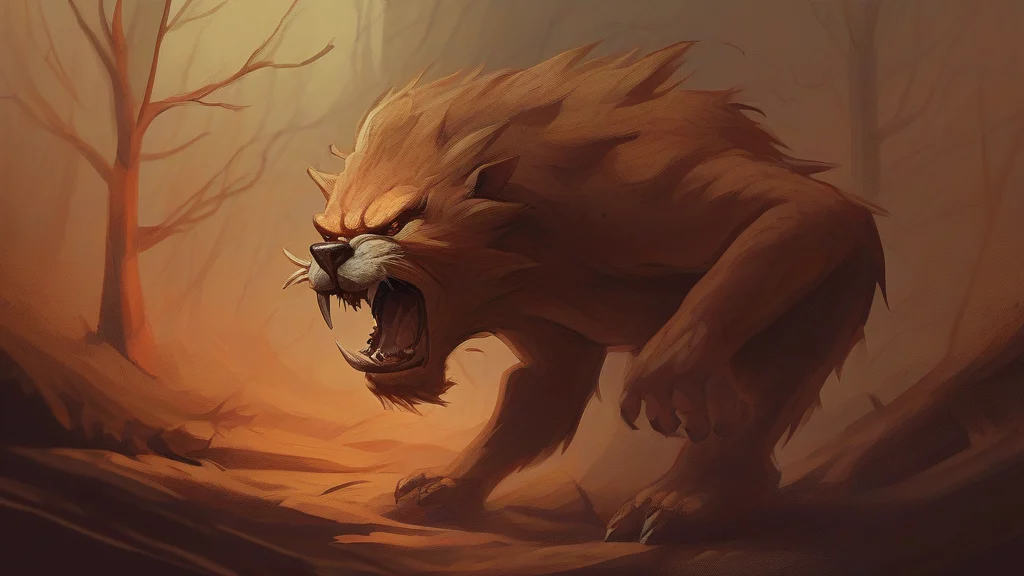
What does gnarling mean?
Gnarling is an adjective describing something exceptionally difficult, complicated, or resistant to resolution. It is especially common in prose about problems, doubts, processes, and conditions: a “gnarling problem” is not simply inconvenient but may be intricate and difficult to overcome. The word can also carry a literal sense, referring to knots, knotted wood, or a twisted surface. Its present-participle use, as in “the rope was gnarling,” describes the process of becoming knotted or twisted. Although the modern figurative use is the best known, the word’s history is physical: it comes through Middle English from an older Germanic word associated with knotty, rugged growth. That image lends gnarling its distinctive force. A gnarling difficulty feels like something bound up and resistant, while still suggesting that careful effort may eventually loosen the knot. The slightly literary tone makes the word effective in formal discussion, narrative prose, and descriptive language.
Characterized by severe, complicated, or persistent difficulty; also, marked by knots or gnarls.
"The investigators faced a gnarling series of contradictions in the evidence."
The figurative use is dominant and usually suggests difficulty that is persistent or difficult to untangle.
To form knots or hard knots; to become knotted, twisted, or intricately tangled.
"The timber began to gnarl as it dried in the heat."
As a verb, it can describe wood or fibre becoming knotted and may also be used figuratively for a process becoming increasingly difficult or tangled.
Gnarling combines two stubborn images: the knot in an old tree and the knot in a problem that refuses to be untied.
Reviewed by Deb Chak, Editor. AI-assisted content curated by RJS Tech Solutions LLP.
Etymology of gnarling
Gnarling derives from English gnarl, a verb and noun associated with knots and knotted, twisted growth. The word comes through Middle English gnarl or gnarle from Old English gnaru, meaning “knotted” or “rugged,” and belongs to a Germanic family of words connected with knots and roughness. The figurative meaning developed from the physical image of something knotted and resistant, while the modern -ing form serves both as an adjective and as the present participle of the verb.
How gnarling is actually used
The word is chiefly literary and often figurative. It conveys more than merely difficult, suggesting a problem that is complex, persistent, resistant, or painful to resolve.
Easily confused with gnarling
Gnarled describes something physically twisted or full of knots, whereas gnarling more often characterizes a severe or intractable difficulty.
Snarling describes the aggressive vocal sound of an animal or person, while gnarling refers to knotty growth or figuratively to an arduous difficulty.