
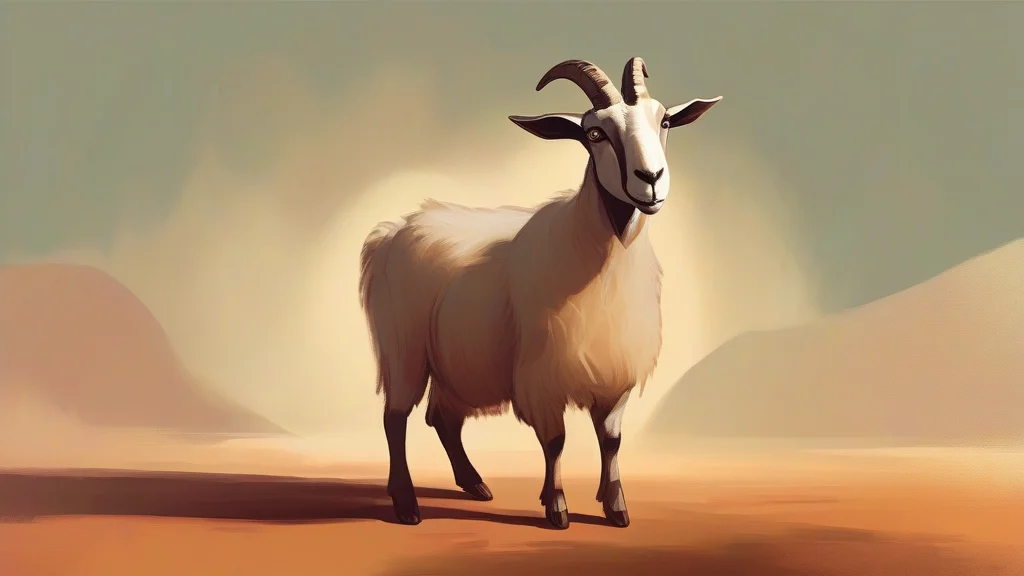
What does goatishly mean?
Goatishly means in a manner suggestive of a goat, especially in a lustful, lecherous, or sexually forward way. It is an expressive adverb commonly used in fiction, humorous prose, and conversation to characterize a look, smile, or gesture that displays obvious amorous or inappropriate interest. The word can also evoke the restless, playful, or stubborn qualities associated with goats, although its sexual connotation is usually the dominant one. Because it is figurative and somewhat theatrical, goatishly is better suited to characterization and comic emphasis than to precise, neutral reporting. Its unusual formation gives it a memorable quality: it combines the familiar image of a goat with the -ly ending of an adverb. A sentence such as "He smiled goatishly" immediately communicates both the behavior and the speaker's amused or critical judgment of it.
adverbIn the manner of a goat, especially with a lustful, lecherous, or sexually suggestive air.
- In a manner characteristic of a goat, especially with a lustful or sexually suggestive air.
"He smiled goatishly across the table, making the entire room fall silent."
"The old man looked at her goatishly, then suddenly remembered his manners."
"Her performance was so energetic that the audience began stamping its feet goatishly."
The word turns an ordinary farm animal into a comic warning label for a lecherous or overly amorous stare.
Reviewed by Deb Chak, Editor. AI-assisted content curated by RJS Tech Solutions LLP.
Where does goatishly come from?
Goatishly is an English formation built from goatish plus the adverbial suffix -ly; goatish itself derives from goat and the adjective-forming suffix -ish. English goat comes from Old English gāt, a Germanic word with relatives in Old Norse geit and German Ziege. The compound's exact first attestation is uncertain, but the adjective goatish and its adverbial form are established in modern English.
How goatishly is actually used
The word is literary, informal, and often humorous or deliberately exaggerated. It can suggest conspicuous sexual interest, shamelessness, or playful animal-like behavior, and it is more expressive than a neutral description such as "with desire."
Easily confused with goatishly
Goatish is an adjective meaning characteristic of a goat or lustful, while goatishly is the adverb describing that manner of behavior.