
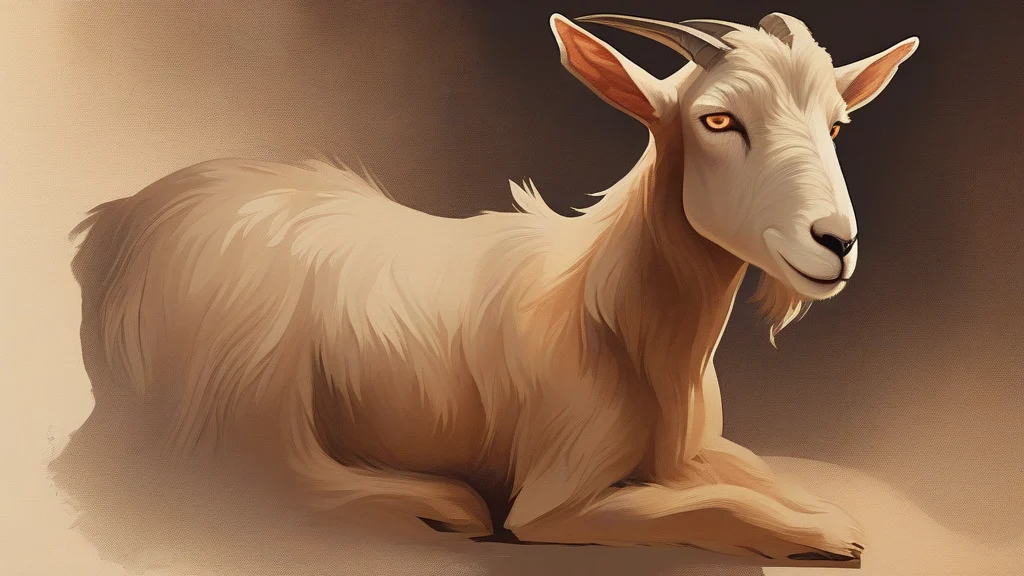
What does goatskin mean?
Goatskin is the skin of a goat, especially when it has been prepared as leather. The word can refer either to the hide itself or to the finished material used for items such as gloves, bookbindings, bags, and traditional drumheads. As a mass noun, goatskin is common when discussing the material in general, but separate hides or pieces can also be counted with the plural goatskins. Its uses often carry a sense of craftsmanship, tradition, or quality, especially in leatherwork and fine binding, although goatskin is also used for more ordinary goods. The compound is clear and direct, combining the animal with the body covering from which its leather is made.
nounThe skin of a goat, especially the hide used to make leather.
- The skin or hide of a goat.
- Leather made from the hide of a goat.
"The antique book was bound in dark goatskin."
"The gloves were made from supple goatskin."
"A page from the medieval manuscript was preserved between two sheets of goatskin."
The plural is used for separate hides or pieces of goatskin; for the material in general, the singular mass noun is normally used.
"The tanner sold goatskins from a herd of mountain goats."
From fine bookbindings to traditional drumheads, goatskin has long been valued for leather that is supple, durable, and distinctively fragrant.
Reviewed by Deb Chak, Editor. AI-assisted content curated by RJS Tech Solutions LLP.
Where does goatskin come from?
Goatskin is an English compound formed from Old English gāt, meaning “goat,” and Old English scinn, meaning “skin” or “hide.” The two elements have long been used together in English to name both the animal’s covering and the leather made from it. Its meaning is reflected in related forms such as goatish and goatee, while caprine comes through Latin and refers specifically to goats or things associated with them.
How goatskin is actually used
The compound is normally written as one word when it names the material. The singular mass noun is common for leather generally, while the plural is used for separate hides or pieces.