
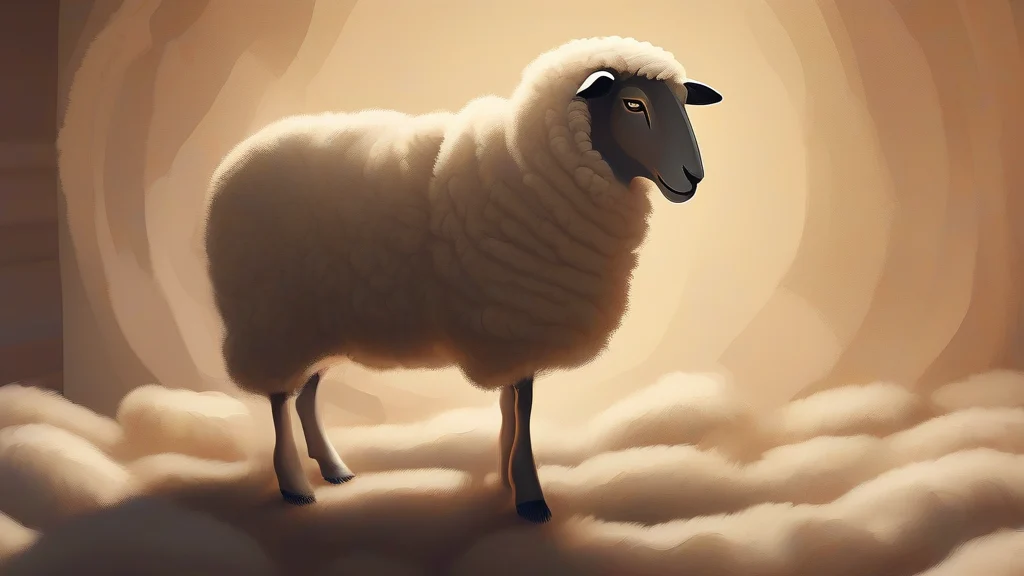
What does sheepskin mean?
Sheepskin is the skin or fleece of a sheep and, by extension, a material used for making clothing, rugs, footwear, and other goods. Because the wool can remain attached, sheepskin is especially associated with warm outerwear such as coats, jackets, and vests. It may also refer more specifically to the tanned skin used in leatherworking. The word has an additional informal meaning for an airline ticket or travel document, particularly one associated with discounted travel, though this usage can sound old-fashioned. In ordinary British and American English, sheepskin most often denotes the material or a finished item made from it. Its associations with rugged outdoor clothing and traditional cold-weather garments make it a familiar term even for people who have never handled raw sheepskin directly.
nounThe skin or fleece of a sheep, especially the tanned skin used for making coats and other clothing. By extension, it means an item made from sheepskin, such as a coat, rug, or pair of boots.
- The skin of a sheep, particularly when used to make leather or clothing.
- An item made from sheepskin, especially a coat, jacket, rug, or footwear.
- Informally, an airline ticket or travel document, especially one used to obtain a lower fare.
"He wore a warm sheepskin coat to protect himself from the cold."
"The cabin was decorated with sheepskin rugs and wooden furniture."
"In informal airline usage, he used a sheepskin to travel more cheaply."
Plural is used for separate hides, items, or the informal travel documents.
"The shop sells sheepskins, jackets, and other cold-weather clothing."
The original “sheepskin jacket” was not just a warm coat: sheepskin with its wool attached has been used for clothing and protective gear for centuries.
Reviewed by Deb Chak, Editor. AI-assisted content curated by RJS Tech Solutions LLP.
Where does sheepskin come from?
The word is a transparent compound of English sheep and skin, both of Old English origin. Sheepskin has long been used for clothing and other goods because sheepskin provides both a durable hide and insulating wool. Modern usage developed alongside processed leather and textile industries, while the informal sense for an airline ticket dates from the period when airlines sold discounted standby tickets called sheepskins.
How sheepskin is actually used
In clothing and furniture, the term usually implies sheepskin with the wool or fleece attached. Its use for an airline ticket is informal and dated in many modern contexts.
Easily confused with sheepskin
Sheepskin generally refers to sheepskin with the wool attached, whereas shearling specifically refers to processed lambskin with the fleece still on it.
Sheepskin is the skin or fleece of a sheep, while hide is a general term for an animal skin, especially one used for making leather.