
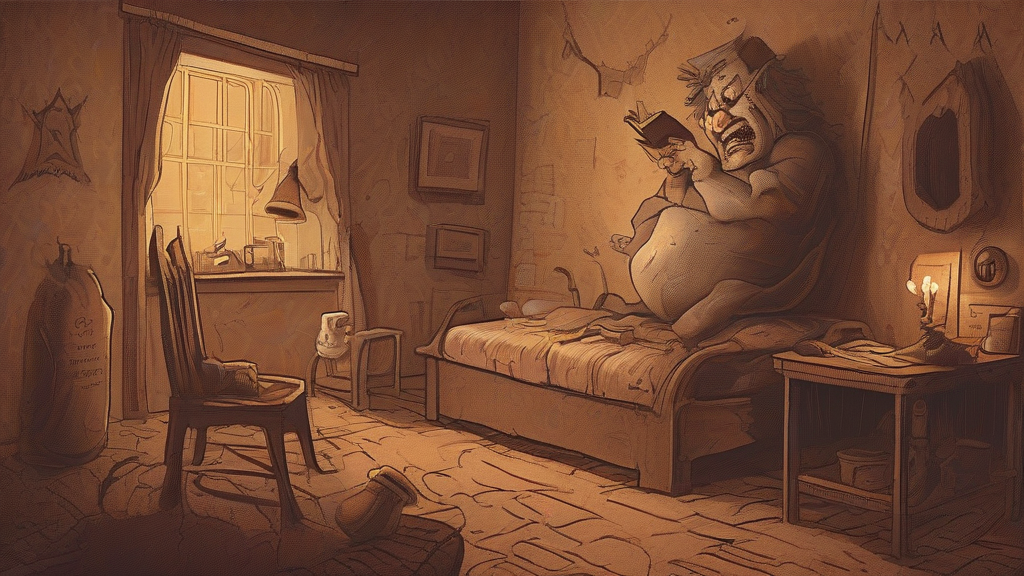
What does grotesquerie mean?
Grotesquerie is a noun for a deliberately strange, fantastic, or grotesque combination of forms, images, situations, or behavior. It commonly describes works of art, literature, architecture, or entertainment that bring together incongruous or exaggerated elements to create an uncanny, absurd, or unsettling effect. A novel might contain a grotesquerie of corrupt politicians, while a sculptor might create one from animals, masks, and distorted human bodies. The word carries both a technical and an evaluative meaning: it can identify a recognizable artistic mode, but it also suggests something excessive, bizarre, or deliberately unruly. Its use is relatively literary and uncommon in everyday speech. Although it resembles the familiar adjective grotesque, grotesquerie names the combined work or spectacle itself rather than merely describing one of its elements. Its history is closely connected with Renaissance artists who adapted ancient Roman ornamental designs rediscovered in underground grottoes.
nounA bizarre, fantastical, or grotesque combination or display of forms, images, or situations. The word is especially used of art or literature that deliberately combines strange, exaggerated, or incongruous elements.
- A bizarre or fantastical combination or display of forms, images, situations, or behavior, especially in art or literature.
"The novel turns a family feud into a biting grotesquerie of pomposity and decay."
"The novel turns a family feud into a biting grotesquerie of pomposity and decay."
"The sculptor filled the doorway with a restless grotesquerie of masks, birds, and twisted limbs."
The plural is formed by adding -s and is rarely needed because the word itself is uncommon.
"The exhibition brings together grotesqueries from several generations of experimental artists."
The Renaissance “grotto” behind the name came from Roman rooms buried beneath Nero’s palace, where rediscovered murals helped launch the style.
Reviewed by Deb Chak, Editor. AI-assisted content curated by RJS Tech Solutions LLP.
Etymology of grotesquerie
The English noun was borrowed from French grotesquerie, a formation based on grotesque. French grotesque came from Italian grottesco, meaning “of a grotto,” referring originally to ornamental paintings discovered in Roman grottoes. Those Renaissance redcoveries helped establish the modern sense of strange, fanciful decoration, linking grotesque with grotto and with the later cognate grottoesque.
How grotesquerie is actually used
Relatively rare and literary, this word is usually evaluative: it suggests that strange, exaggerated, or incongruous elements have been combined deliberately. It is especially associated with artistic and imaginative work.
Easily confused with grotesquerie
Grotesquerie is a noun naming a bizarre combination or spectacle, whereas grotesque is primarily an adjective describing something bizarre or unnatural and can also name a grotesque decorative form.